
Mapping the essential skills, wins, and roadblocks in teaching future healthcare professionals to work together effectively.
Paste a DOI or paper title — we locate the open-access PDF and open it for AI chat instantly.

Your social network subtly dictates wealth sharing and societal divides. Discover how network structure influences redistribution, polarization, and satisfaction.
How Social Networks Shape Wealth Sharing and Societal Divides
Your social network subtly dictates wealth sharing and societal divides. Discover how network structure influences redistribution, polarization, and satisfaction.
This study investigates how social network structures affect collective decisions on wealth redistribution and polarization. Using a computational model and an online experiment, researchers explored the impact of wealth-based assortativity and visibility on voting, satisfaction, and fairness. Results indicate that most networks obscure inequality. Maximum assortativity (segregation by wealth) leads to the lowest redistribution and polarization. Conversely, high visibility of the rich results in the highest redistribution and polarization. Notably, segregation keeps the poor satisfied despite remaining poor, while observing the rich makes them dissatisfied even when better off. The findings suggest increasing visibility of excessive wealth can boost redistribution, but risks increased polarization.

Unlock ultra-precise gravity sensing: Quantum entanglement breaks past quantum noise limits in next-generation atomic gravimeters.
Super-Precise Atom Gravity Measurement Using Quantum Entanglement
Unlock ultra-precise gravity sensing: Quantum entanglement breaks past quantum noise limits in next-generation atomic gravimeters.
This research details the development of an atomic gravimeter utilizing Bose-Einstein condensates (BECs) that significantly surpasses the standard quantum limit, achieving a sensitivity improvement of -1.7 dB. By employing entangled atoms in the interferometer, the precision of inertial force measurement is enhanced beyond fundamental quantum noise restrictions. The integration of BECs with delta-kick collimation minimizes atom loss, paving the way for scalable, long-baseline atom interferometry with ultracold atoms.

Entangling quantum memory with telecom-band photons: the breakthrough for long-distance quantum internet.
Creating Quantum Links with Rare Earth Ions in Telecom Wavelengths
Entangling quantum memory with telecom-band photons: the breakthrough for long-distance quantum internet.
This research achieves crucial spin-photon entanglement using a single Erbium ion (Er3+) integrated within a silicon nanophotonic cavity. This system is significant because it directly generates photons in the telecom band (1532.6 nm), minimizing signal loss in optical fibers, a major hurdle for long-distance quantum communication. The experiment demonstrated an entanglement fidelity of 73(3)% even after simulating transmission through 15.6 km of fiber. This breakthrough paves the way for scalable, long-haul quantum networks by leveraging established silicon manufacturing and spectral capabilities.

Unlock powerful literature reviews with ChatGPT: learn precise prompt engineering techniques validated by white phosphor research.
Mastering ChatGPT for Literature Reviews: A Practical Guide Using White Phosphor Research
Unlock powerful literature reviews with ChatGPT: learn precise prompt engineering techniques validated by white phosphor research.
Large Language Models like ChatGPT are reshaping scientific workflows, but their outputs require user verification due to issues like hallucinations. This study focuses on prompt engineering as a critical skill for accurately extracting information from scientific literature. Using abstracts about white phosphors as a case study, the research quantitatively evaluates various prompt styles. The findings provide practical guidance on designing effective prompts tailored to the specific type of information researchers aim to extract, ensuring more reliable and efficient literature reviews.

We reveal how extreme magnetic fields drastically alter the quantum energy spectrum of disks, finding unexpected linear and excess behaviors.
How Strong Magnetic Fields Change Quantum Energy in Disks
We reveal how extreme magnetic fields drastically alter the quantum energy spectrum of disks, finding unexpected linear and excess behaviors.
This research investigates the eigenvalues of the magnetic Dirichlet Laplacian on bounded domains, focusing on the disk in the strong magnetic field limit. The study proves that the eigenvalue branches diverge linearly with increasing field strength, characterized by an exponentially small, calculable remainder term. Furthermore, the paper demonstrates that for very strong fields, the spectral lower bound predicted by the Pólya conjecture for the non-magnetic case is definitively violated. This violation occurs with a precise, domain-independent excess factor, offering new insights into strong-field quantum mechanics.

We prove Fuglede's conjecture is true for complex fractal measures, linking bases to geometric tiling.
Confirming Fuglede's Conjecture for Cantor-Moran Measures
We prove Fuglede's conjecture is true for complex fractal measures, linking bases to geometric tiling.
This research investigates the properties of Cantor-Moran measures, defined by sequences of integers and digit sets. The central finding establishes a precise condition under which the L2 space of these measures admits an exponential orthonormal basis: specifically, when the measure convolved with another probability measure results in a uniform interval measure. This theorem confirms that the generalized Fuglede's conjecture holds true for this specific class of fractal measures. A direct corollary links the existence of such a basis to a tiling condition involving the measure's defining digit sets across different scales.

AI Random Forest predicts sustainable digital marketing success by accurately forecasting future customer counts.
Boosting Green Digital Marketing with AI Prediction
AI Random Forest predicts sustainable digital marketing success by accurately forecasting future customer counts.
This research integrates big data analytics and Artificial Intelligence to optimize sustainable digital marketing. The study analyzes big data characteristics and then develops an AI Random Forest Model (RFM) specifically for this purpose. Using a real-world case study from Enterprise X, the RFM model predicts prospective customer counts based on collected demographic and spending data. The findings reveal key customer profiles, showing university affiliation and dominance by workers and educators, with most customers concentrated in lower-to-mid price brackets. Crucially, the RFM demonstrated superior predictive accuracy for future customer volumes compared to traditional logistic regression, offering a robust tool for intelligent, sustainable marketing evolution.

Exploring how AI can transform Cuban learning, balancing exciting potential with necessary ethical guidelines.
Bringing AI into Cuban Classrooms: Benefits and Challenges
Exploring how AI can transform Cuban learning, balancing exciting potential with necessary ethical guidelines.
This study explores the potential integration of rapidly developing Artificial Intelligence (AI) tools within Cuba's education system, comparing it to trends in developed nations. Through a comprehensive review of existing literature and official statistical data, the research identifies specific examples and guidelines for introducing AI into the Cuban teaching-learning process, starting from early education. The findings suggest that, provided ethical standards are maintained, incorporating these new technologies promises to be a highly beneficial tool for substantially improving the performance levels of both students and educators in the Cuban context.

Unlocking personalized learning: How AI, teacher oversight, and student data analysis are transforming education ethically.
AI, Teachers, and Student Data: Revolutionizing Personalized Education
Unlocking personalized learning: How AI, teacher oversight, and student data analysis are transforming education ethically.
This research systematically reviews 370 scientific articles (2006-2024) on integrating Artificial Intelligence (AI) into educational data mining (EDM), Human-in-the-Loop Machine Learning (HITL-ML), and machine teaching to enhance personalized learning. The study examines how AI analyzes student data to predict performance and enable tailored interventions. Crucially, HITL-ML keeps educators in control, allowing them to guide AI decisions and mitigate bias. The findings confirm that these combined AI approaches significantly improve student tracking and resource management. Ethical considerations, including privacy and algorithmic transparency, are emphasized as essential for equitable educational quality.

Mapping the global research landscape of AI tools transforming K-12 mathematics learning and teaching practices.
AI in Math Class: What Research Shows About Teaching and Learning
Mapping the global research landscape of AI tools transforming K-12 mathematics learning and teaching practices.
This systematic review analyzes current research on Artificial Intelligence (AI) applications within mathematics education to understand its role in teaching and learning processes. Reviewing 29 selected articles, the study found a significant increase in empirical, quantitative research, predominantly focusing on intelligent learning systems for online assessment and student support. Common tools included questionnaires and interviews. Notably, the analysis revealed a lack of research concerning early childhood education and teacher training, alongside a general underutilization of established Didactics of Mathematics theoretical frameworks in the analyzed studies.

Unpacking the fundamental divide: Do scientific laws merely describe nature, or do they fundamentally explain and necessitate it?
How Scientists and Philosophers See the Laws of Nature
Unpacking the fundamental divide: Do scientific laws merely describe nature, or do they fundamentally explain and necessitate it?
This paper examines the contrasting perspectives on scientific laws held by philosophers of science versus practicing chemists and science educators. It reviews traditional philosophical stances, such as Humean and necessitarian views, which often treat laws as fundamentally explanatory or necessary. Conversely, many scientists view laws primarily as descriptive summaries of observed phenomena. The discussion also includes contemporary philosophers who question the necessity of laws altogether. The author cautions science educators against uncritically adopting the necessitarian philosophical framework when teaching chemistry.

Unlocking new mathematical solutions by precisely mapping hidden 'energy bubbles' in complex boundary problems.

Finding High-Energy Solutions in Complex Math Problems
Unlocking new mathematical solutions by precisely mapping hidden 'energy bubbles' in complex boundary problems.

This research investigates the existence and quantity of positive solutions for a complex semilinear Dirichlet boundary value problem, denoted as (Pε). This problem involves the Laplacian operator, a positive potential function V(x), and a nonlinear term dependent on a small parameter ε. The core contribution is the construction of specific solutions characterized by isolated 'interior peaks' or 'bubbles' within the domain. The method relies on detailed mathematical expansions of the associated energy functional and the introduction of novel projection techniques for handling these localized energy structures, ultimately leading to a multiplicity count for the solutions.

Revolutionizing patient transport: A smart, adaptable stretcher designed for ultimate comfort and peak hospital efficiency.
The Advanced Medical Stretcher: Improving Patient Care and Hospital Efficiency
Revolutionizing patient transport: A smart, adaptable stretcher designed for ultimate comfort and peak hospital efficiency.
This paper details the design and development of an innovative, multi-featured medical stretcher focused on improving patient comfort and healthcare worker efficiency. Key features include an adjustable height mechanism for seamless integration into medical procedures, integrated storage compartments for immediate access to supplies, and a mechanism that significantly reduces the need for manual assistance during patient transfers between surfaces. This advancement aims to streamline hospital operations, enhance workflow, and ensure safer, more comfortable patient movement throughout the care continuum, marking a substantial improvement over traditional equipment.

AI generates senior living floor plans faster than humans, blending creativity with efficiency for the future of architecture.
AI-Powered Floor Plans: Revolutionizing Senior Living Interior Design
AI generates senior living floor plans faster than humans, blending creativity with efficiency for the future of architecture.
This research employs a Conditional Generative Adversarial Network (CGAN) to automatically generate floor plans for long-term care spaces in retirement homes, aiding architects during the conceptual design phase. The CGAN demonstrated strong ability in zoning layouts, producing results comparable in satisfaction to human designs, although minor corrections for unrealistic placements are still needed. This AI tool significantly boosts design efficiency, offers new spatial possibilities, and helps moderate subjective architectural biases, highlighting CGANs' potent role in modern interior design workflows.

AI meets architecture: Transforming landscape design teaching with intelligent digital platforms for better student outcomes.
Using AI to Revolutionize Landscape Design Education
AI meets architecture: Transforming landscape design teaching with intelligent digital platforms for better student outcomes.
As urbanization grows, effective landscape design education is crucial. Traditional teaching methods struggle with complex, modern 3D landscape designs, hindering student comprehension. This research addresses this gap by applying Artificial Intelligence (AI) to a digital landscape design teaching platform. The study focuses on key elements influencing design learning: students' personal preferences, optimal landscape layouts, and pattern recognition. By incorporating AI, the platform aims to provide a more dynamic and effective learning environment, better preparing students for contemporary landscape architecture challenges.
.02.webp)
Supercharge mobile face recognition! We leverage GPU power and TensorRT to unlock lightning-fast, real-time AI performance.
Faster Face Recognition: Using AI and GPUs for Real-Time Performance
Supercharge mobile face recognition! We leverage GPU power and TensorRT to unlock lightning-fast, real-time AI performance.
This paper explores optimizing real-time face recognition in mobile applications, addressing the need for faster, energy-efficient algorithms. It focuses on leveraging GPU computing and TensorRT acceleration to enhance deep neural network performance. The research demonstrates the practical advantages of the BlazeFace algorithm specifically for mobile deployment, highlighting how specialized AI chips significantly speed up inference tasks. The findings offer crucial insights for developing high-performance, deployment-ready face recognition systems for widespread industry use.

Exploring the triumphs and shortcomings of the Lennard-Jones potential after 100 years of guiding molecular science.
Celebrating a Century of the Lennard-Jones Potential
Exploring the triumphs and shortcomings of the Lennard-Jones potential after 100 years of guiding molecular science.
This year marks the 100th anniversary of the Lennard-Jones potential, a foundational model in physics describing atomic and molecular interactions. This paper reviews the significant successes and inherent limitations of this potential in modeling diverse systems, including intermolecular forces, clusters, and condensed matter. It provides a comprehensive historical perspective and an assessment of its enduring relevance in modern theoretical chemistry and physics.

Unlock hidden molecular secrets! New irregularity indices accurately predict chemical properties for drug design and materials science.
New Tools to Measure Molecular Messiness: Entire Irregularity Indices
Unlock hidden molecular secrets! New irregularity indices accurately predict chemical properties for drug design and materials science.
This study introduces two new topological measures, the entire Albertson index and the entire sigma index, designed to quantify molecular irregularity within chemical structures. The research rigorously analyzes the behavior of these indices across various graph families and compares their predictive power against existing irregularity metrics. The authors investigate the correlation between these new indices and key physicochemical properties like boiling point, melting point, and molecular volume. Specific formulas are derived for complex structures including bridge molecules, graphene, and dendrimers. These 'entire irregularity indices' offer advanced quantitative tools with significant potential applications in drug discovery and materials science.

Discover how Lisp's revolutionary functional design became the bedrock of modern programming and the language of early Artificial Intelligence.
Lisp: The Revolutionary Language That Shaped Modern Programming and AI
Discover how Lisp's revolutionary functional design became the bedrock of modern programming and the language of early Artificial Intelligence.
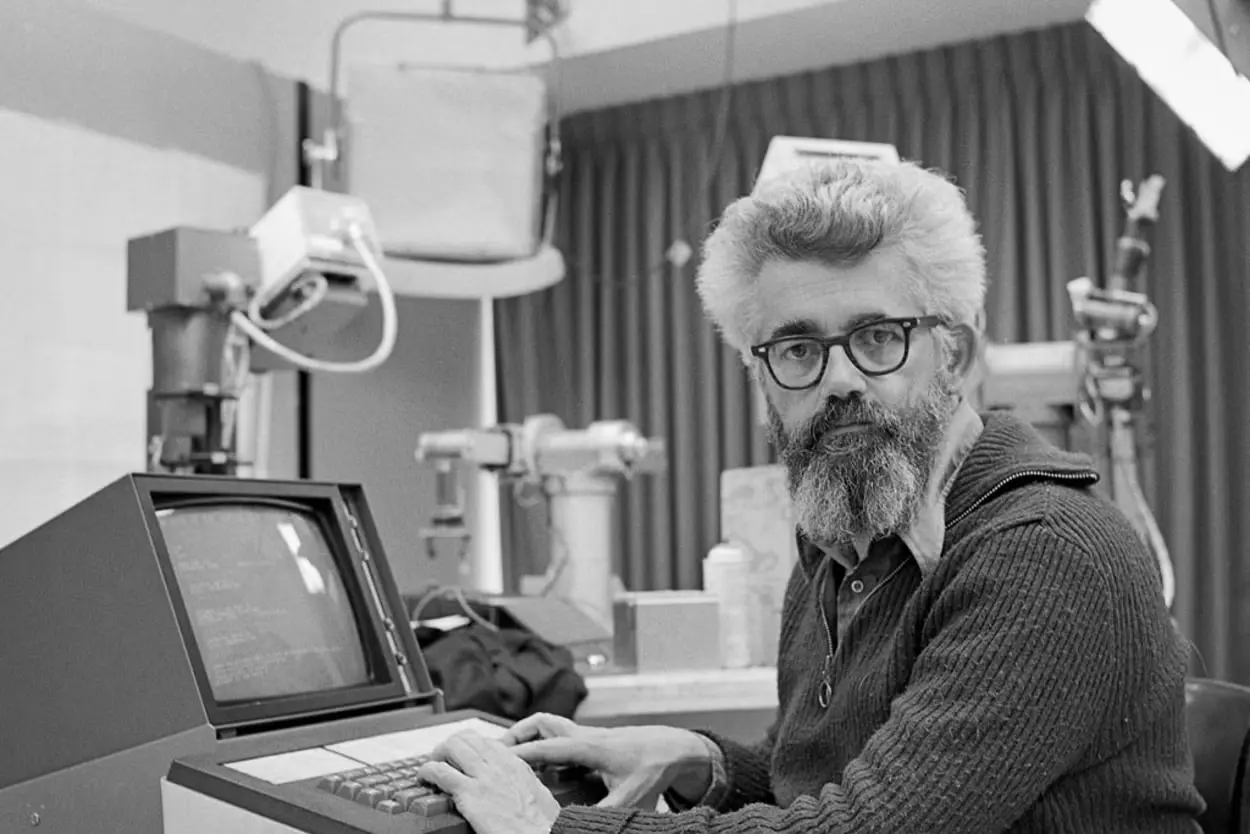
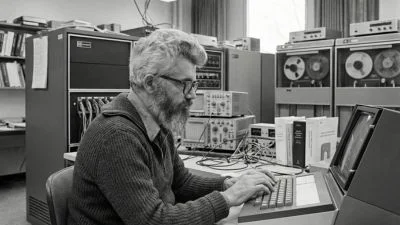
John McCarthy's 1960 Lisp introduced functional programming and automatic memory management, marking a major paradigm shift. By treating code as data, Lisp enabled powerful symbolic computation and recursive function handling, fundamentally influencing subsequent programming language design. It became central to AI research for decades. This foundational work's innovations, including dynamic typing and the REPL environment, continue to impact modern software engineering, functional programming paradigms, and current AI systems.

Unlock faster, smarter X-ray diagnosis by directly weaving a radiologist's gaze into the AI using cutting-edge Graph Networks.
GazeGNN: Using Eye-Tracking Data Directly for Chest X-ray Diagnosis with Graph Networks
Unlock faster, smarter X-ray diagnosis by directly weaving a radiologist's gaze into the AI using cutting-edge Graph Networks.
This research introduces GazeGNN, a novel Graph Neural Network designed to integrate raw eye-gaze data directly into chest X-ray classification, bypassing the need for time-consuming visual attention map preprocessing. GazeGNN creates a unified graph representing both image features and gaze patterns, enabling real-time, end-to-end disease classification. This method offers a practical way to incorporate radiologist gaze behavior into diagnostic tools. Experiments on public datasets confirm that GazeGNN achieves superior classification performance compared to existing techniques by leveraging eye-tracking information more efficiently.

Designing next-generation, highly efficient Europium-based crystals for superior X-ray visibility and medical scanning.
New Bright Materials for Clearer X-ray Imaging
Designing next-generation, highly efficient Europium-based crystals for superior X-ray visibility and medical scanning.
Researchers have developed novel hybrid Europium(II)-bromide scintillators for advanced X-ray detection in fields like medical diagnosis and security. These 1D and 0D crystalline materials utilize an efficient electronic transition (5d−4f) for rapid light emission upon X-ray absorption. Their unique structural organization of EuBr6 octahedra enhances quantum confinement, leading to high light yield (over 73,000 photons/MeV) and fast response times. When integrated into an AAO film, these scintillators achieved high-resolution X-ray imaging (27.3 lp mm−1), establishing a promising new class of rare-earth halide materials for optoelectronics.

Unlocking the true speed limits and dynamics of cosmic phase transition bubbles using fundamental physics.
Calculating the Speed Limit of Phase Transition Bubbles
Unlocking the true speed limits and dynamics of cosmic phase transition bubbles using fundamental physics.
This research develops a rigorous, non-linear method to precisely calculate the terminal velocity of first-order phase transition bubbles using fundamental conservation laws and the Boltzmann equation. By avoiding standard approximations, the study finds that solutions naturally fall into two categories: slower deflagrations or ultrarelativistic detonations. The method proves that out-of-equilibrium effects are usually minor. The findings enable the creation of simpler, tiered approximation schemes that maintain qualitative accuracy when modeling these cosmic transitions, using the singlet scalar extension of the Standard Model as a test case.

Laser-driven nuclear state excitation achieved! Opening the door to ultimate precision with the Thorium-229 nuclear clock.
Flipping the Switch: Using Lasers to Energize the Th-229 Atomic Nucleus
Laser-driven nuclear state excitation achieved! Opening the door to ultimate precision with the Thorium-229 nuclear clock.
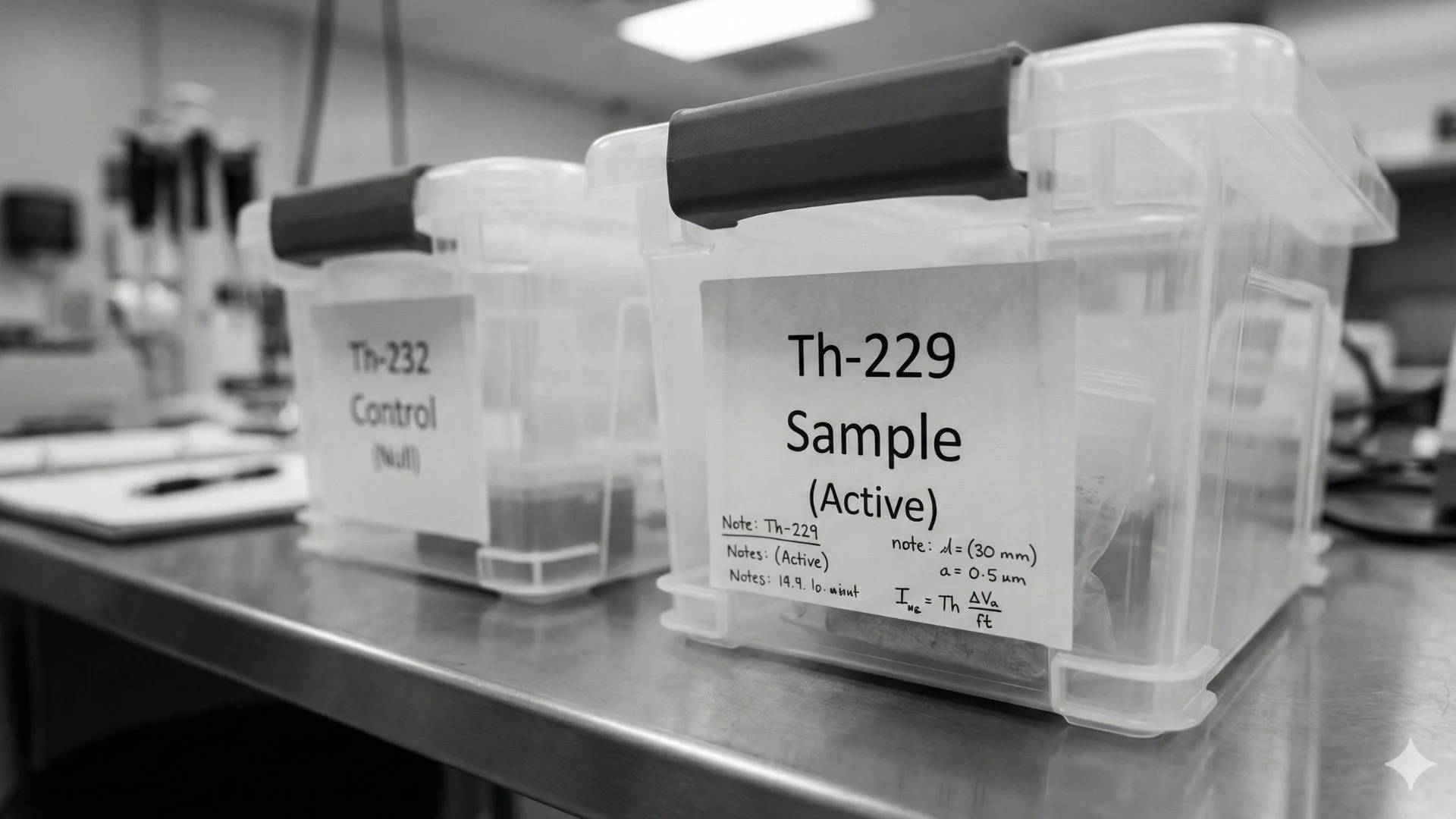
This research successfully excites the elusive 8.4 eV nuclear isomer state of Thorium-229 within calcium fluoride crystals using a tunable laser system. A clear resonance fluorescence signal was detected, confirming the specific nuclear transition, while a control sample (Th-232) showed no response. The precise measurement of the nuclear resonance wavelength (148.3821 nm) and a determined fluorescence lifetime allow for the calculation of the isomer's vacuum half-life (1740 seconds). These findings establish a crucial experimental foundation for developing high-precision Th-229 nuclear laser spectroscopy and next-generation optical nuclear clocks.

Unlock new mathematical possibilities with Annamalai's groundbreaking binomial theorem and geometric series extensions.
Discovering Annamalai's New Binomial Theorem and Identity
Unlock new mathematical possibilities with Annamalai's groundbreaking binomial theorem and geometric series extensions.
This research introduces Annamalai's novel contributions to binomial theory, including a new binomial theorem, coefficient definition, and identity, developed by Chinnaraji Annamalai of IIT Kharagpur. The paper also features an extended geometric series, presenting innovative methods for summing both individual terms and multiple successive terms within the series. This work expands upon established mathematical principles with new, specific formulations.

Teachers see more AI risks than rewards; their varying views demand customized training across education levels.
Teachers' Views on AI in Education: Benefits, Drawbacks, and Training Needs
Teachers see more AI risks than rewards; their varying views demand customized training across education levels.
This study surveyed 276 primary, secondary, and higher education teachers to identify their perceived benefits and limitations of integrating Artificial Intelligence (AI) in classrooms. Findings suggest teachers generally observe more limitations than benefits. Key advantages cited were task facilitation and resource access, while major concerns involved misuse and insufficient critical review of AI outputs. The research found that perceptions and concerns vary significantly across educational stages (primary, secondary, higher education). This divergence highlights an urgent need for tailored, stage-specific professional development to effectively integrate AI.

Virtual reality, AI, and analytics are reshaping university learning, but infrastructure and training hurdles remain.
The Future of College Learning: Top Tech Trends Changing University Education
Virtual reality, AI, and analytics are reshaping university learning, but infrastructure and training hurdles remain.
This study reviews current trends in educational technology use in higher education, spurred by the COVID-19 pandemic. A literature review focusing on recent implementations across disciplines reveals that e-learning, VR, AI, and learning analytics are enhancing accessibility and quality. However, the adoption faces challenges, including inadequate infrastructure and insufficient teacher training. The findings emphasize that overcoming resistance to change and socioeconomic disparities requires robust policies supporting continuous innovation and faculty development to realize technology's full potential in transforming university education effectively.

Big data in digital classrooms dramatically improves students' vital social and personal skills. See the evidence!
How Big Data in Education Boosts Students' Social Skills
Big data in digital classrooms dramatically improves students' vital social and personal skills. See the evidence!
This experimental study investigated the impact of integrating big data technology within a digital learning environment on the electronic social competence of diploma students. Researchers randomly divided 120 students into two groups: one utilizing big data analytics in their digital course, and a control group that did not. Using an electronic social competence scale, the findings confirmed that the use of big data significantly enhanced students' personal, self-management, and academic skills. The research strongly supports the role of big data technologies in fostering crucial social and collaborative competencies within educational settings.

AI accurately forecasts student grades, revealing key factors for academic success in higher education.
Using AI to Predict Student Success in University
AI accurately forecasts student grades, revealing key factors for academic success in higher education.
This study explores how Artificial Intelligence can accurately predict academic performance among students at the University of Guayaquil. Researchers designed a quantitative, predictive model using survey data from over 1000 students. Key factors analyzed included age, study hours, and the use of AI tools. The resulting model showed strong predictive validity, with a high coefficient of determination (0.9075). Results confirm that these variables, especially AI engagement, have a statistically significant, positive impact on student outcomes, suggesting AI can be integrated into early intervention systems.

New validated tool rigorously measures students' complex thinking skills, improving educational assessment and strategy.
Measuring Complex Thinking: Validating the eComplexity Tool for Students
New validated tool rigorously measures students' complex thinking skills, improving educational assessment and strategy.
This study validates the eComplexity instrument, designed to measure students' perception of their complex thinking abilities and sub-competencies. Using data from 1,037 Mexican university students, researchers employed Partial Least Squares Structural Equation Modeling (PLS-SEM) to confirm the instrument's statistical reliability and validity. The validated eComplexity tool offers a robust resource for assessing educational interventions focused on critical thinking. Findings highlight systemic and scientific thinking as crucial components, guiding educators to refine teaching strategies and curricula to better equip students for complex modern challenges.

Solving the 'Present' Paradox: Defining an absolute 'Now' compatible with relativity using quantum-like indeterminism.
A New Concept for 'Now' That Works with Einstein's Relativity
Solving the 'Present' Paradox: Defining an absolute 'Now' compatible with relativity using quantum-like indeterminism.
This paper introduces a new way to define 'co-presentness' (what we experience as the present moment) that respects the principles of relativity theory. The authors distinguish between 'simultaneity' (sharing the same time coordinate, which can vary with the observer) and 'co-presentness' (a fundamental, observer-independent reality). They propose that this ontological 'co-presentness' can be anchored using formal indeterminism, suggesting an extended, dynamic present. This concept is developed first in branching time and then in branching spacetime, where the extent of the dynamic present is determined by modal correlations.

Do newly discovered particle differences weaken the case for reality built on structures over objects?
Are Elementary Particles Fading Away? Rethinking Quantum Reality
Do newly discovered particle differences weaken the case for reality built on structures over objects?
Ontological Structural Realism (OntSR) suggests physical reality is based on structures and relations, not distinct material objects, partly because identical quantum particles are considered indiscernible, causing objects to 'wither away'. This paper examines whether recent discoveries showing subtle discernibility among elementary particles undermine this justification for OntSR. The authors argue that, counterintuitively, these new findings actually strengthen the case for OntSR, showing that the concept of structure remains central even with nuanced distinctions between particles.

Psychology's go-to reliability score is rigged: Why are so many alpha values exactly 0.70?
The Hidden Problem with Measuring Reliability: Too Many .70 Scores in Psychology Research
Psychology's go-to reliability score is rigged: Why are so many alpha values exactly 0.70?

This study investigates the reliability metric Cronbach's alpha (α), often judged by a threshold of ≥.70 in psychology. Analyzing over 180,000 α values from large psychology, I/O psychology, and PsycTests datasets, the researchers found suspicious inflation of values precisely at the .70 threshold. This suggests researchers might be 'alpha-hacking' their measures to meet arbitrary criteria, similar to p-hacking. The paper discusses the causes and negative consequences of this practice and proposes solutions like preregistration and increased transparency to ensure honest reporting of measurement reliability.

New mathematical tools for handling uncertainty: exploring the core properties and mappings of single valued neutrosophic relations.
Understanding Single Valued Neutrosophic Relations: Properties and Mappings
New mathematical tools for handling uncertainty: exploring the core properties and mappings of single valued neutrosophic relations.
This paper introduces single valued neutrosophic relations (SVNRs) as an extension of single valued neutrosophic sets (SVNSs) for handling uncertain information. The authors explore fundamental properties of SVNRs, defining and providing calculation formulas for the anti-reflexive kernel, symmetric kernel, reflexive closure, and symmetric closure. Furthermore, the paper defines and investigates the properties of single valued neutrosophic relation mappings and their inverses. The work aims to provide a robust mathematical framework for applying neutrosophic set theory in practical contexts.

AI is revolutionizing higher education: see the explosive growth, key applications, and the urgent ethical hurdles ahead.

Mapping the Boom: AI Adoption and Challenges in University Education
AI is revolutionizing higher education: see the explosive growth, key applications, and the urgent ethical hurdles ahead.

This bibliometric study quantitatively analyzed 1476 academic articles from Scopus and Web of Science to map the adoption trends of Artificial Intelligence (AI) in higher education. The research reveals an exponential surge in publications, focusing heavily on personalized learning, automated assessment, and tools like ChatGPT. While international collaboration is growing, the analysis also underscores critical challenges, specifically the necessity for robust ethical frameworks and clear policies to guide equitable and effective AI integration into university teaching and learning processes. The paper offers a comprehensive global snapshot of current research.

Four distinct groups of Brazilian towns revealed: discover their unique technology gaps for smart city success!
Mapping Brazilian Municipalities for E-Government and Smart City Readiness
Four distinct groups of Brazilian towns revealed: discover their unique technology gaps for smart city success!
This quantitative study analyzes the Information and Communication Technology (ICT) infrastructure and usage across Brazilian municipalities to assess their potential for implementing e-government and smart city initiatives. Using cluster analysis on 2014 data, four distinct municipal profiles emerged: 'No-Technology,' 'Citizen-Focused,' 'Legislation-Focused,' and 'ICT-Equipped.' The findings indicate that each cluster possesses unique deficiencies and requirements, necessitating tailored strategies and specific interventions to effectively advance their digital governance and smart city development capabilities.

Unlocking environmental secrets: See how simple statistics reveal strong connections between nature's variables.
Using Statistical Correlation to Understand Environmental Issues
Unlocking environmental secrets: See how simple statistics reveal strong connections between nature's variables.
This paper demonstrates the practical application of correlation analysis, specifically Pearson's and Spearman's Coefficients, in solving environmental problems. By analyzing data from two environmental case studies, the research validates that these statistical tools are highly effective in quantifying the degree of association between environmental variables. The findings confirm the satisfactory performance of both correlation types, highlighting their increasing value and potential for innovation in environmental science literature for revealing critical variable relationships.

Unlock next-gen cryptography: Extreme graphs meet complex quadratic keys for temporal, high-security data delivery.
New Cryptography Methods Using Extreme Graphs and Complex Quadratic Keys
Unlock next-gen cryptography: Extreme graphs meet complex quadratic keys for temporal, high-security data delivery.
This research develops new cryptographic protocols by combining algebraic constructions from Extremal Graph Theory with quadratic transformations over finite fields. These methods define complex, non-commutative cryptographic platforms based on the difficulty of decomposing words within polynomial transformation groups. The work specifically details the creation of high-degree multivariate public keys, particularly in fields with characteristic two, and over general commutative rings. A key innovation is the suggestion to use these quadratic encryption maps as 'temporal rules,' delivered privately and periodically changed, enhancing security against known attacks.

Mapping the essential skills, wins, and roadblocks in teaching future healthcare professionals to work together effectively.
Improving Healthcare Teams: What Works in Interprofessional Education?
Mapping the essential skills, wins, and roadblocks in teaching future healthcare professionals to work together effectively.
This scoping review synthesizes research on interprofessional education (IPE) for healthcare students, focusing on competency development and educational outcomes over the last two decades. The study categorized competencies into four areas, finding 'team and teamwork' to be the most frequently developed skill. Positive outcomes included better role clarity and communication. However, challenges like logistical hurdles, power dynamics, and increased workload were also identified. The review concludes that while IPE is vital for collaborative practice, addressing these barriers is necessary to maximize its benefits for future healthcare professionals.

Exploring how to minimize data delay in real-time systems using 'Age of Information' metrics and advanced queueing theory.
Understanding Timeliness: A Guide to the Age of Information
Exploring how to minimize data delay in real-time systems using 'Age of Information' metrics and advanced queueing theory.
This survey introduces the Age of Information (AoI) framework, crucial for designing low-latency cyber-physical systems where timely status updates are essential but resource-limited. It details various AoI timeliness metrics and evaluation methods, starting from simple single-server queues and extending to complex scenarios like energy harvesting sensors, noisy channels, and wireless networks. The paper bridges AoI analysis with estimation techniques (like MMSE) and reviews its application in modern cyber-physical systems, focusing on optimizing when and how information should be shared to ensure maximum recipient relevance.

Lattice QCD's 2021 snapshot: essential constants for quarks, mesons, and the CKM matrix unlocked.
Lattice QCD Review: Key Results for Pions, Kaons, and Heavy Quarks
Lattice QCD's 2021 snapshot: essential constants for quarks, mesons, and the CKM matrix unlocked.
This review synthesizes recent lattice Quantum Chromodynamics (QCD) results concerning fundamental particles: pions, kaons, D- and B-mesons, and nucleons. It focuses on making these findings accessible to the wider physics community. Key determinations include light-quark masses, the K→π form factor f+(0), the decay constant ratio fK/fπ, and consequences for CKM matrix elements (Vus, Vud). The review also covers lattice inputs for Chiral Perturbation Theory, the BK parameter, heavy-quark properties (mc, mb), and nucleon matrix elements, culminating in a discussion of the strong coupling constant αs and scale-setting quantities.

Neutrons hold the key to Time-Reversal symmetry. We precisely measured its electric tug, constraining new physics.
Pinpointing the Neutron's Electric Tug: A New Measurement of its Electric Dipole Moment
Neutrons hold the key to Time-Reversal symmetry. We precisely measured its electric tug, constraining new physics.
This research details a precise measurement of the neutron's electric dipole moment (EDM) conducted at the Paul Scherrer Institute using Ramsey's method with ultracold neutrons. The experiment employed advanced techniques, including a 199Hg comagnetometer and cesium vapor magnetometers, to meticulously cancel out magnetic field fluctuations. Rigorous statistical analysis on blinded data, combined with detailed knowledge of magnetic field systematics, resulted in a new upper limit for the neutron EDM: dn=(0.0±1.1stat±0.2sys)×10−26e⋅cm. This measurement contributes significantly to the search for physics that violates time-reversal symmetry.

XENON1T detects an unexplained low-energy signal, hinting at solar axions, dark matter, or mysterious tritium contamination.
Investigating Unusual Low-Energy Signals in the XENON1T Dark Matter Detector
XENON1T detects an unexplained low-energy signal, hinting at solar axions, dark matter, or mysterious tritium contamination.
The XENON1T experiment analyzed low-energy electronic recoil data (1-30 keV) using 0.65 tonne-years of exposure, achieving extremely low background levels. The analysis revealed a statistically significant excess of events primarily between 2 and 3 keV. This excess is tentatively explained by several new physics candidates, including solar axions (3.4σ), an enhanced neutrino magnetic moment (3.2σ), or bosonic dark matter (4.0σ local significance). Alternatively, the excess could stem from trace amounts of tritium contamination. This work yields the most stringent direct limits to date for various bosonic dark matter models and provides tension with existing stellar constraints for neutrino magnetic moments.

Unlocking network secrets: Hyperbolic geometry explains efficient transport and the structure of complex systems.
The Hidden Geometry of Complex Networks: Why Hyperbolic Space Matters
Unlocking network secrets: Hyperbolic geometry explains efficient transport and the structure of complex systems.
This research introduces a geometric framework arguing that hyperbolic geometry underlies the structure of complex networks. This assumption naturally explains key network features like varied connectivity (heterogeneous degree distributions) and dense local connections (strong clustering) as properties of negative curvature. The study establishes a connection between this geometry and network statistical mechanics, viewing network edges as non-interacting entities defined by hyperbolic distances. Furthermore, it demonstrates that processes like targeted transport are most efficient in highly heterogeneous hyperbolic networks, maintaining robustness even after significant structural damage.

New noise-resistant quantum tests built for any dimension unlock deeper insights into non-local reality.
Testing Quantum Weirdness in Super High Dimensions
New noise-resistant quantum tests built for any dimension unlock deeper insights into non-local reality.
This research introduces a new method for creating Bell inequalities, which test the limits of local realism in quantum mechanics, by analyzing the correlations predicted by local variable theories. The resulting inequalities are designed for bipartite quantum systems of any dimension and demonstrate strong resilience to noise. This work analytically solidifies previous numerical findings and extends them to cover systems of arbitrarily high dimensionality, offering a more robust tool for probing non-local quantum phenomena.

Unlocking stable gravity theories: We eliminate errors in general relativity using advanced nonlocal action models.
Creating Gravity Theories Without Errors: A New Approach
Unlocking stable gravity theories: We eliminate errors in general relativity using advanced nonlocal action models.
This research introduces a comprehensive framework for ghost-free gravitational theories in a flat space. Moving beyond standard f(R) models, the study details nonlocal actions that maintain robust behavior at high energies (UV) while accurately reproducing Einstein's General Relativity at low energies (IR). The focus is on constructing physically consistent theories of gravity by systematically eliminating unphysical singularities and ghost degrees of freedom, thereby paving the way for more stable and complete gravitational models.

Optimizing cloud resource allocation: Virtualization, scheduling, and balancing demands for peak efficiency.
Smarter Cloud Resource Management Using Virtualization
Optimizing cloud resource allocation: Virtualization, scheduling, and balancing demands for peak efficiency.
Cloud computing relies on virtualization to efficiently allocate shared hardware and software resources to clients, managed by third-party providers. A primary challenge is balancing resource provisioning to avoid over- or under-supply. This paper reviews various scheduling algorithms and approaches developed for resource allocation within virtualized data centers. The findings confirm that virtualization significantly improves resource utilization, enhances network performance, reduces costs by minimizing physical machines, balances loads, and conserves energy. Optimal allocation critically depends on considering the availability of Virtual Machine resources and the expected execution time of incoming requests.

Unlocking the power of Big Data mining within cloud environments: a comprehensive survey of essential approaches and challenges.
Exploring Big Data Mining in Cloud Systems: A Survey
Unlocking the power of Big Data mining within cloud environments: a comprehensive survey of essential approaches and challenges.
This paper explores the intersection of cloud computing, data mining, and big data. It reviews existing literature focusing on data visualization techniques within data mining and analyzes how different computational conventions and algorithms impact data storage and communication requirements. The research investigates various approaches to big data storage from an analytical perspective. Ultimately, this survey aims to categorize existing big data mining patterns within cloud environments, addressing common challenges and reviewing computational methods relevant to deploying big data mining successfully in cloud systems. This work provides a foundation for future research in this evolving field.

Unlock peak cloud performance: A comprehensive review of the algorithms making task scheduling efficient.
Optimizing Cloud Tasks: A Review of Scheduling Algorithms
Unlock peak cloud performance: A comprehensive review of the algorithms making task scheduling efficient.
Cloud computing relies on efficient resource management to deliver services effectively. This paper reviews various task scheduling algorithms critical for optimizing cloud environments. The core objective of these algorithms is to minimize downtime and workload while maximizing task throughput and completion accuracy. Researchers evaluate these scheduling methods using key performance indicators such as completion time, overall throughput, and operational cost. This review consolidates current knowledge on these essential scheduling techniques used to enhance cloud performance and resource utilization.

The definitive, updated database for 46,000+ gas-water equilibrium constants critical for atmospheric chemistry.
The Essential Guide to Henry's Law Constants for Atmospheric Chemicals
The definitive, updated database for 46,000+ gas-water equilibrium constants critical for atmospheric chemistry.
Understanding how atmospheric chemicals distribute between the gas phase and liquid water (clouds/aerosols) requires accurate Henry's law constants. This fourth version compilation gathers and standardizes 46,434 values for 10,173 trace gas species, sourced from 995 references. This living review, accessible online, replaces the 2015 edition, providing a critical, updated resource for environmental chemistry modeling and research on chemical partitioning in the atmosphere.

Quantum mystery confirmed: Measurements aren't predetermined. Explore Bell's nonlocality, the challenge to classical reality and future physics.
Understanding Bell's Mystery: Quantum Weirdness Explained
Quantum mystery confirmed: Measurements aren't predetermined. Explore Bell's nonlocality, the challenge to classical reality and future physics.
Discovered by John Bell in 1964, quantum nonlocality challenges classical physics by proving that measurement outcomes are not predetermined, invalidating 'local hidden variables.' This fundamental phenomenon forces a choice between accepting nature's inherent randomness or rethinking the role of spacetime in physics. The paper provides a self-contained introduction to Bell's tools and results, presenting them logically rather than chronologically. Beyond foundational physics, nonlocality also has practical applications, such as in the device-independent verification of random number generators.

IPCC's stark 2021 climate science report reveals a deeply worrying future for our planet.
The Dire Scientific Findings on Climate Change: A Summary of the IPCC's 2021 Report
IPCC's stark 2021 climate science report reveals a deeply worrying future for our planet.
This paper focuses on the Sixth Assessment Report published in August 2021 by Working Group 1 of the Intergovernmental Panel on Climate Change (IPCC), the UN body tasked with climate science assessment. The report delivers a highly concerning outlook on the future state of the climate. The International Science Council (ISC), of which IUPAC is a key founding member, subsequently commented on these severe scientific findings.

Drones are transforming everything: from smart flight and data power to revolutionizing industry and warfare.
The Evolution and Future of Drone Technology
Drones are transforming everything: from smart flight and data power to revolutionizing industry and warfare.
This review examines the technological growth of Unmanned Aerial Vehicles (UAVs), highlighting the crucial role of Information Technology (IT) integration in their rapid development. UAVs are evolving into data-driven mobile agents, driven by trends toward enhanced networking, digital operational spaces, and intelligent flight platforms. Beyond simple transport, UAV systems are fostering new modes of production, service delivery, and combat, signaling profound future impacts across economic, social, and military domains.

ORCA 5.0 is here: faster, stronger, and easier-to-use quantum chemistry calculations are now possible.
Upgrading Quantum Chemistry: Introducing ORCA Version 5.0
ORCA 5.0 is here: faster, stronger, and easier-to-use quantum chemistry calculations are now possible.
The release of ORCA 5.0, a major quantum chemistry program suite update in July 2021, brings significant advancements. This version offers substantially improved performance, enhanced numerical stability, and a wide array of new features for computational chemists. Furthermore, user-friendliness has been greatly enhanced, making complex calculations more accessible. This paper details the most important new functionalities and improvements incorporated into ORCA 5.0, marking a significant step forward for the program's capabilities and usability.

We tested 200 chemistry calculation methods to find the best one for accurate predictions.
Benchmarking 200 Density Functionals: 30 Years of DFT in Chemistry
We tested 200 chemistry calculation methods to find the best one for accurate predictions.
This comprehensive review assesses 200 Kohn-Sham Density Functional Theory (DFT) exchange-correlation functionals, the most popular electronic structure method in computational chemistry over the last 30 years. The benchmarking utilized a large molecular database (MGCDB84) covering thermochemistry, barrier heights, and non-covalent interactions across nearly 5000 data points. The study reviews the evolution of functional design and offers usage guidelines. Key recommendations include ωB97M-V as the top performer. While modern functionals approach desired accuracy for many applications, challenges remain with systems exhibiting strong correlation or significant self-interaction errors.

Explore the revolutionary technology that fused the Internet with accessible information, forever connecting the globe and reshaping society.
How the World Wide Web Changed Everything
Explore the revolutionary technology that fused the Internet with accessible information, forever connecting the globe and reshaping society.
This paper examines the foundational 1989-1994 innovations by Tim Berners-Lee that established the World Wide Web. By combining URLs, HTTP, and HTML, the Web transformed the Internet into a globally accessible, user-friendly information space. The technology fundamentally reshaped communication, commerce, and society, democratizing knowledge and creating new industries. Thirty years later, its cross-domain impact remains profound, driving ongoing legal and ethical debates concerning privacy and governance, truly realizing the vision of 'the invention that connected the world.'

An in-depth exploration of clinical trial participation barriers and perspectives among diverse racialized communities across Canada.
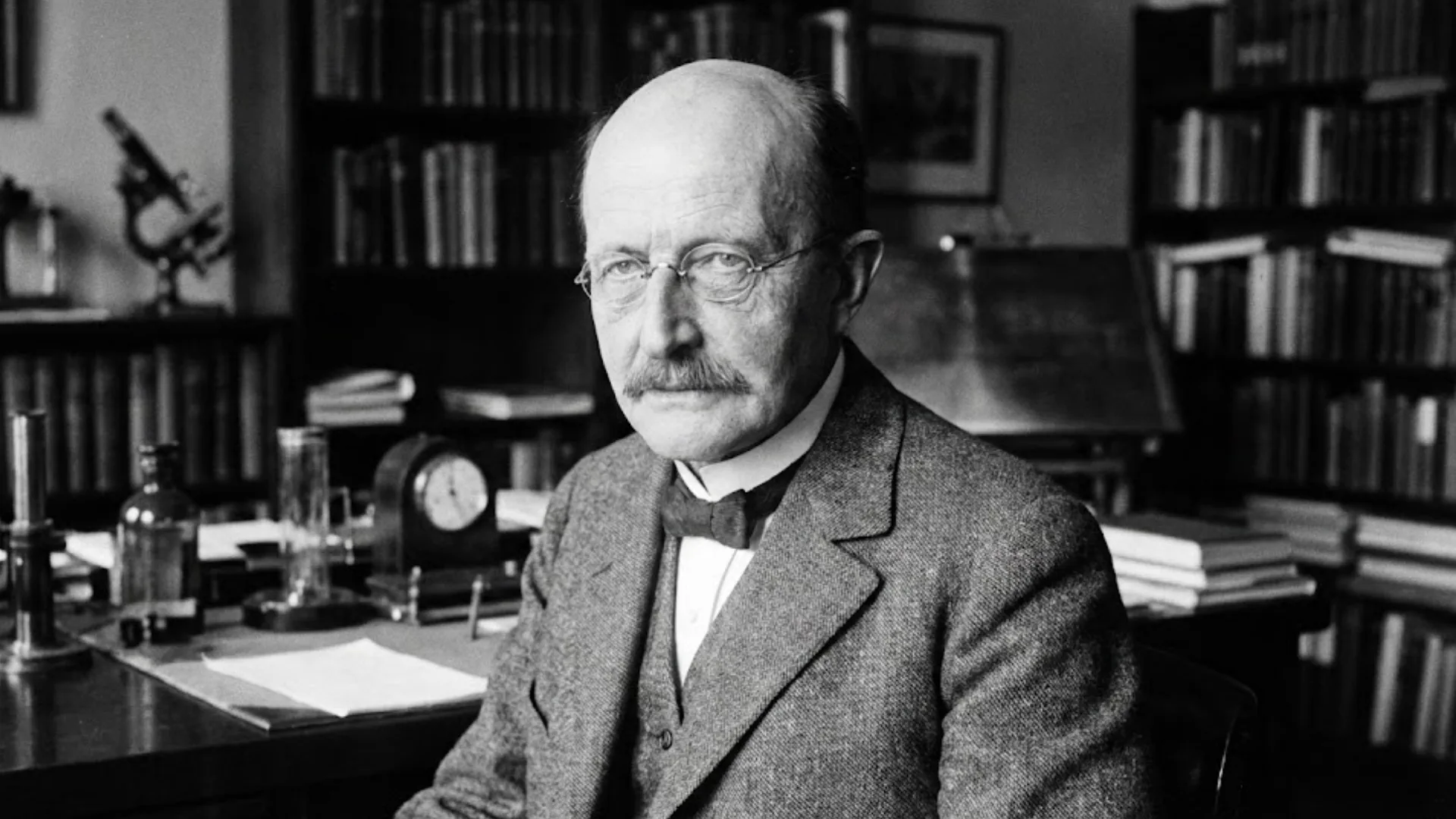
Groundbreaking work introducing the quantum hypothesis and explaining blackbody radiation, laying the foundation for quantum mechanics.
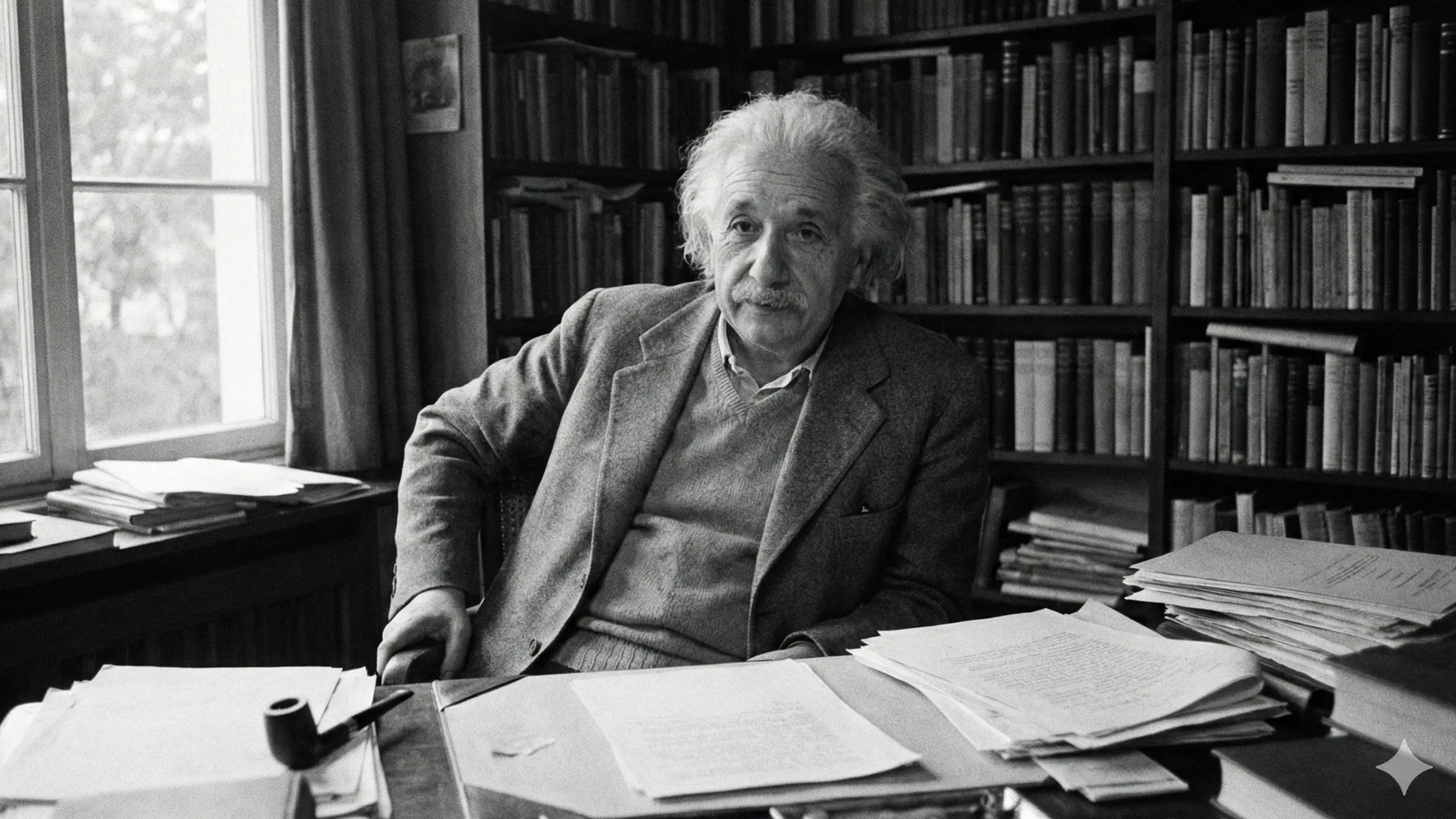
Revolutionary paper proposing the photon concept and explaining the photoelectric effect, earning Einstein the Nobel Prize.
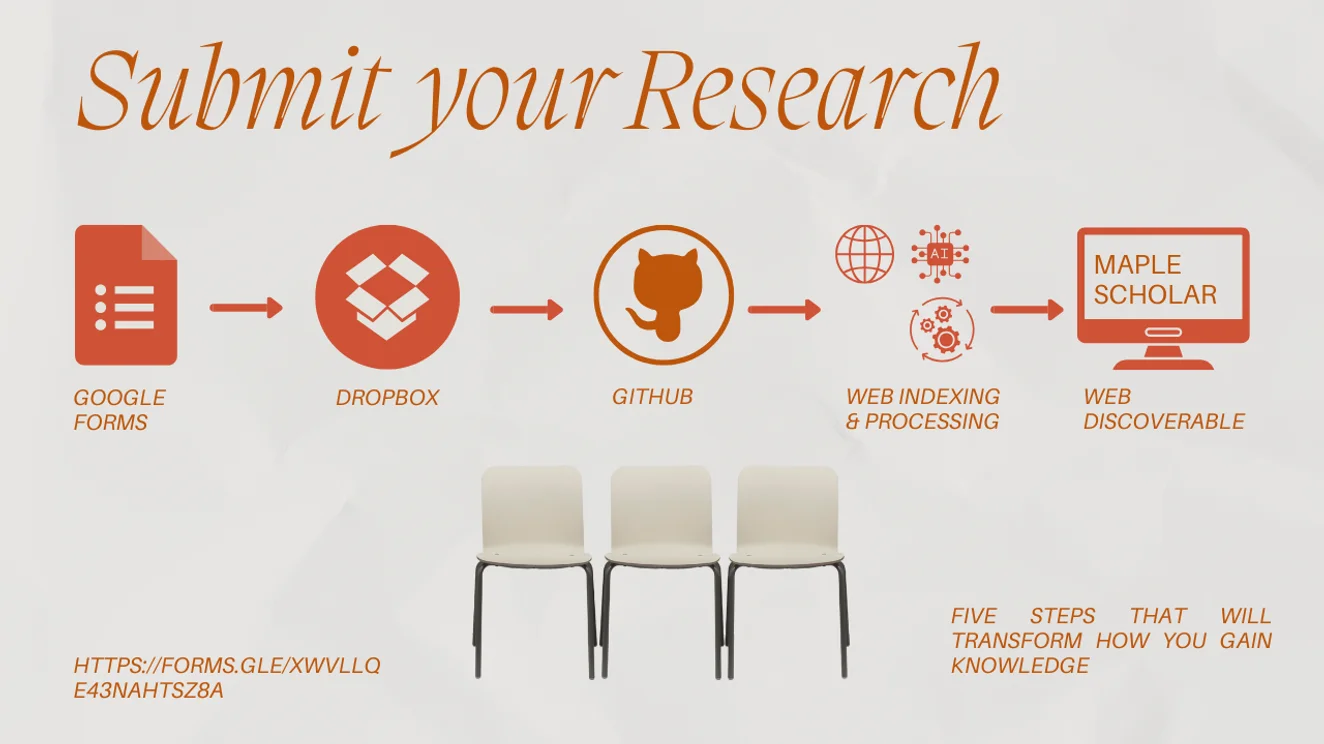
Submit your research and publications to our curated open science catalog covering all STEM disciplines. Accepting all languages.