Early unmanned aerial vehicles were restricted to rigid, radio-tethered military reconnaissance; modern autonomous UAV architectures integrate micro-avionics, sensor fusion, and swarm intelligence to revolutionize civilian skies.
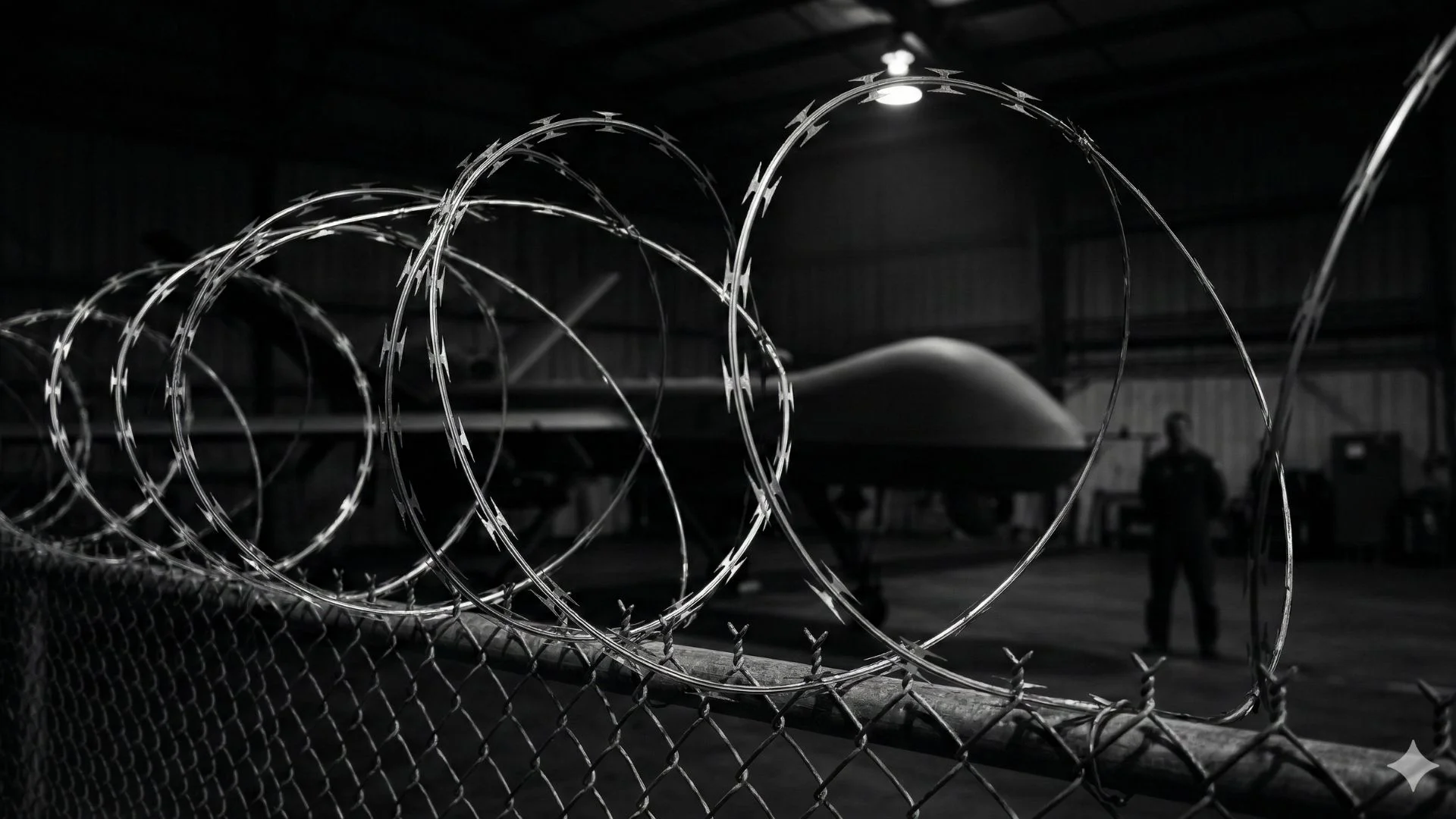
For decades, unmanned aircraft were fragile, expensive military prototypes whose operations required full crews of ground pilots and bulky communication trailers, offering little viability for civil or commercial deployment.
The fundamental engineering challenge was miniaturizing inertial navigation units, computer vision processors, and battery energy density while maintaining aerodynamic stability in turbulent low-altitude urban airspace.
The integration of multi-spectral LiDAR, edge-AI flight controllers, lightweight composite airframes, and decentralized swarm coordination algorithms has converted UAVs into nimble, self-navigating autonomous aerial platforms capable of millimeter-precise trajectory tracking.
Today, autonomous UAV fleets are transforming precision agriculture crop monitoring, emergency disaster logistics, critical power-grid inspection, and urban air mobility, marking an epochal transition toward intelligent, self-organizing national airspaces.
Review on the Technological Development and Application of UAV Systems
Unmanned aerial vehicles (UAVs) are products of deep integration of aviation technology and Information technology (IT). The core factor of why the UAV industry can become a relatively independent industry and experience rapid development is the full penetration of IT into the aviation industry. Under the networked environment, UAVs are now becoming datadriven mobile agents. With the development of information technology, information transmission networking, operation space digitizing, and flight platform intelligentizing will become the main trends of technological development of UAV systems. The application of UAV systems is not merely a paradigm in transportation, but will more importantly produce "UAV+" novel production modes, service formats, and combat modes associated with UAVs. These emerging trends will have profound impacts on future economic and social development as well as the building of armed forces.

Telecommunication engineers believed that static noise permanently corrupted electrical signals; Claude Shannon proved that information can be transmitted with zero errors across noisy channels by converting meaning into binary bits. Published in 1948, Shannon’s masterwork founded information theory and created the digital language of the modern world.
Error-correcting codes were invented to clean static noise from radio broadcasts; Elwyn Berlekamp and Robert McEliece proved that deliberately scrambling error-correcting codes creates an NP-complete cryptographic lock. Published in 1978 and sidelined for decades due to large key sizes, the McEliece code-based cryptosystem has never been broken in nearly fifty years, standing today as NIST’s premier quantum-resistant encryption standard (Classic McEliece).
Early computer networks were isolated corporate islands that could not speak to one another; Vint Cerf and Bob Kahn designed an open universal protocol that connects any computer on Earth regardless of hardware. Published in 1974, TCP/IP created the architecture of the Internet, allowing billions of devices to communicate seamlessly across a unified global network.
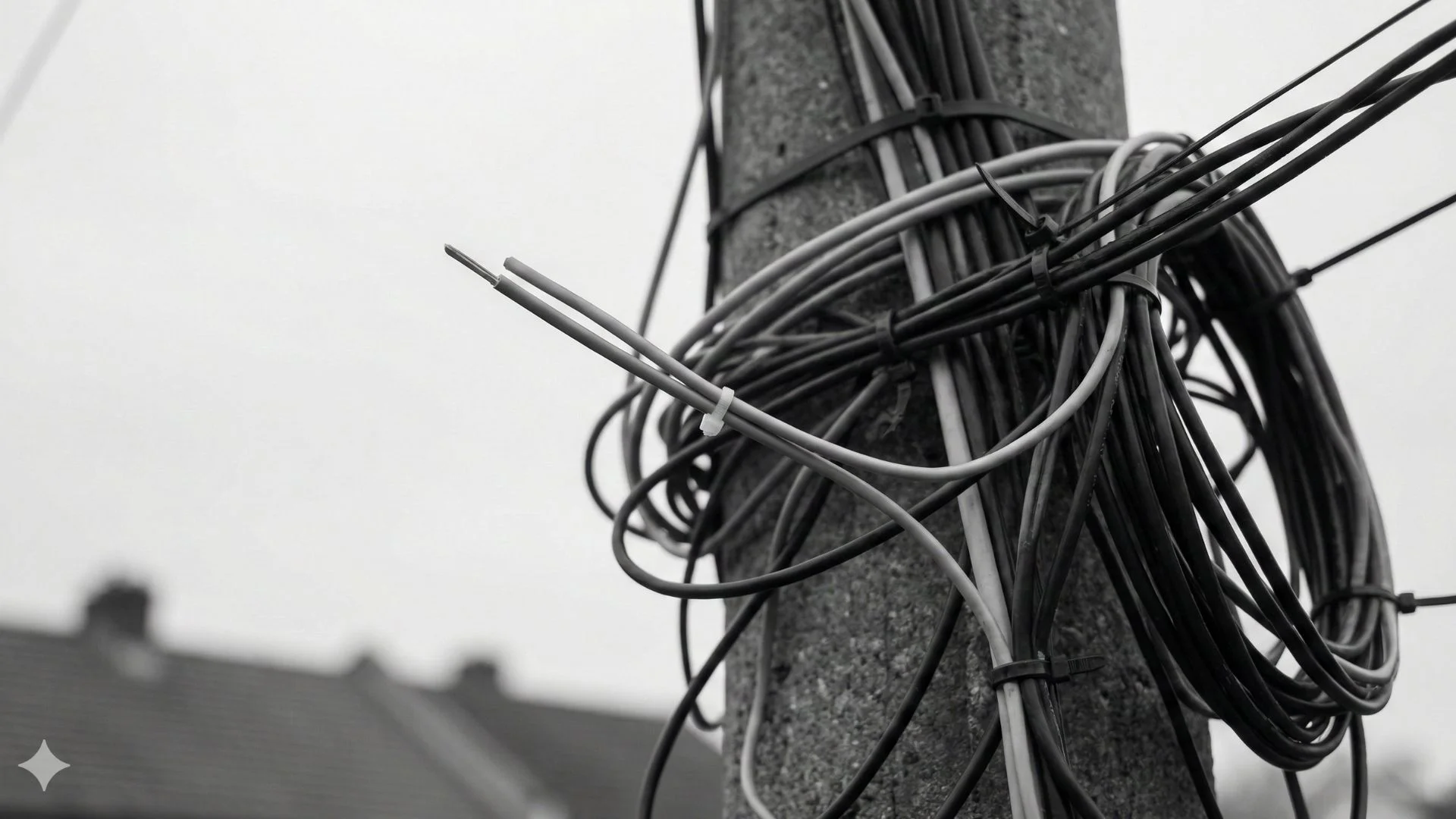

Smart city initiatives frequently imported glossy foreign technological blueprints that failed in regional municipal governments; empirical ICT auditing maps local technological capabilities to design realistic e-government roadmaps.


Computer scientists spent forty-four years convinced that a 1976 algorithm was the absolute mathematical limit for finding the shortest delivery route; Anna Karlin, Nathan Klein, and Shayan Oveis Gharan broke the 3/2 barrier using high-dimensional geometry and random spanning trees. Awarded the Best Paper at STOC, this historic breakthrough shattered the most famous stagnation in theoretical computer science.


Isolated security benchmarks test whether AI can write single malicious scripts; CyberBench measures whether autonomous software agents can execute multi-day corporate cyber attacks from start to finish. By stress-testing AI models on complex, realistic enterprise penetration scenarios, cybersecurity researchers established the first realistic yardstick for autonomous digital threats.
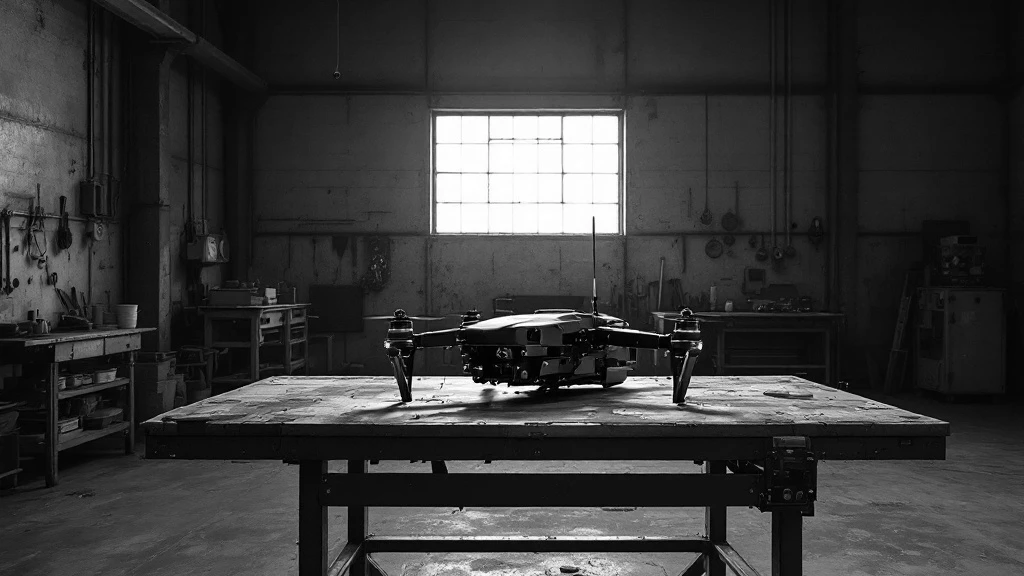

Centralized drone fleets crash whenever their central controller signal is jammed; bio-inspired drone swarms coordinate locally like flocks of birds without any central leader. By synthesizing breakthroughs in decentralized mesh communication and obstacle avoidance, robotics engineers have created resilient aerial swarms capable of mapping disaster zones and locating wildfire survivors autonomously.

Human security engineers spent a decade auditing 5G cellular infrastructure; an autonomous swarm of AI agents uncovered over eighty critical security flaws in core carrier networks in days. By simulating adversarial protocol exploits across open-source telecom code, this automated penetration tool patched catastrophic session-hijacking vulnerabilities before malicious state actors could exploit them.
Ask this paper your own questions, or keep browsing the verified research catalogue.