MapleScholar · Research Lineages

The papers that never stopped shaping science

Each article takes a landmark paper and traces its verified citation lineage forward — through the people and discoveries it set in motion — all the way to the research and technology of 2026. Read the story, then open the original paper and ask it anything.

3
Landmark papers
339
Years of lineage
2026
Traced to today
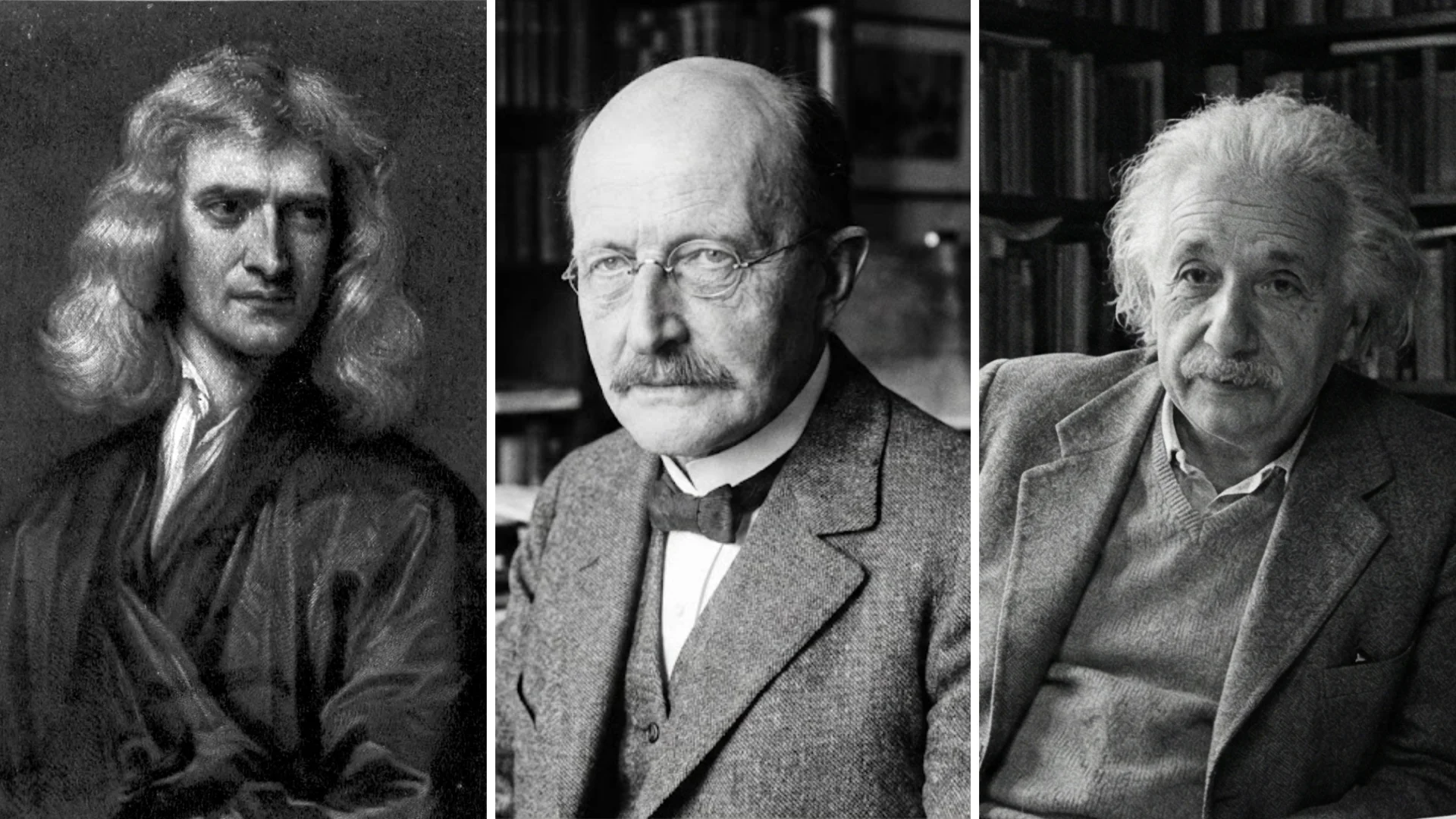
Portraits of Isaac Newton, Max Planck and Albert Einstein
Newton · Planck · Einstein — the lineages traced on this blog

The journey

Scroll · 1687 → 1905

Three papers, three centuries, one unbroken chain — scroll to travel it.

Chapter 01 · 1687

Newton

Motion & Universal Gravitation

Three laws of motion and one inverse-square law of gravity — a single framework for the falling apple, the Moon, the planets, comets, and the tides. Its lineage still steers every spacecraft and decodes gravitational waves in 2026.

F = G·m₁m₂ / r²
Isaac Newton portrait
Chapter 02 · 1900

Planck

Energy Quantization

One paper introduced energy quantization and two constants that now define the kilogram, limit the world’s best clock, and underpin every transistor, solar cell, and quantum computer built since.

ε = hν
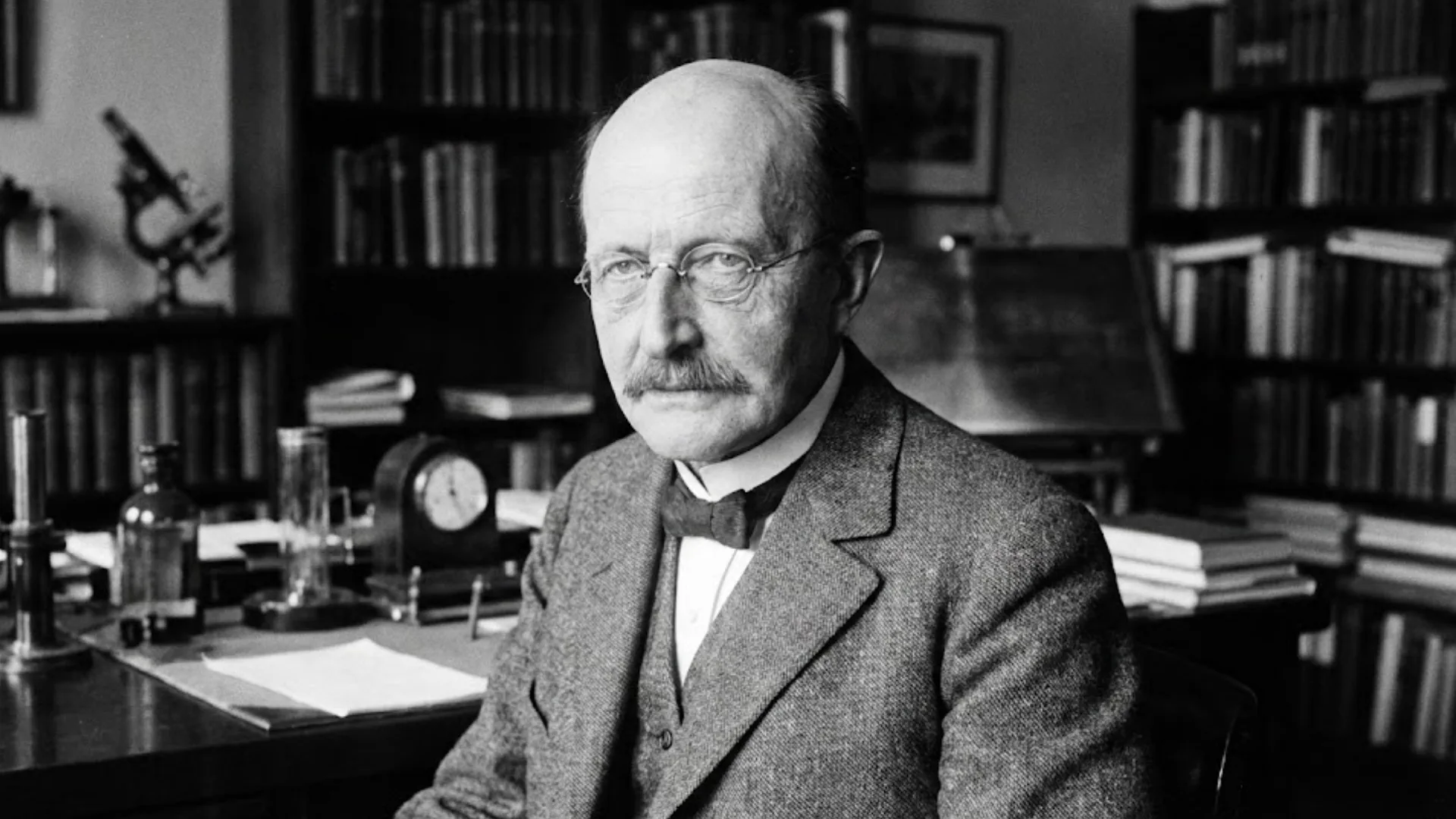
Max Planck portrait
Chapter 03 · 1905

Einstein

Light Quanta & the Photoelectric Effect

Light travels in discrete packets of energy. That single idea now underpins record-breaking solar cells, single-photon cameras for cancer diagnosis, quantum-secure communication, and every satellite watching Earth’s climate.

E = hν
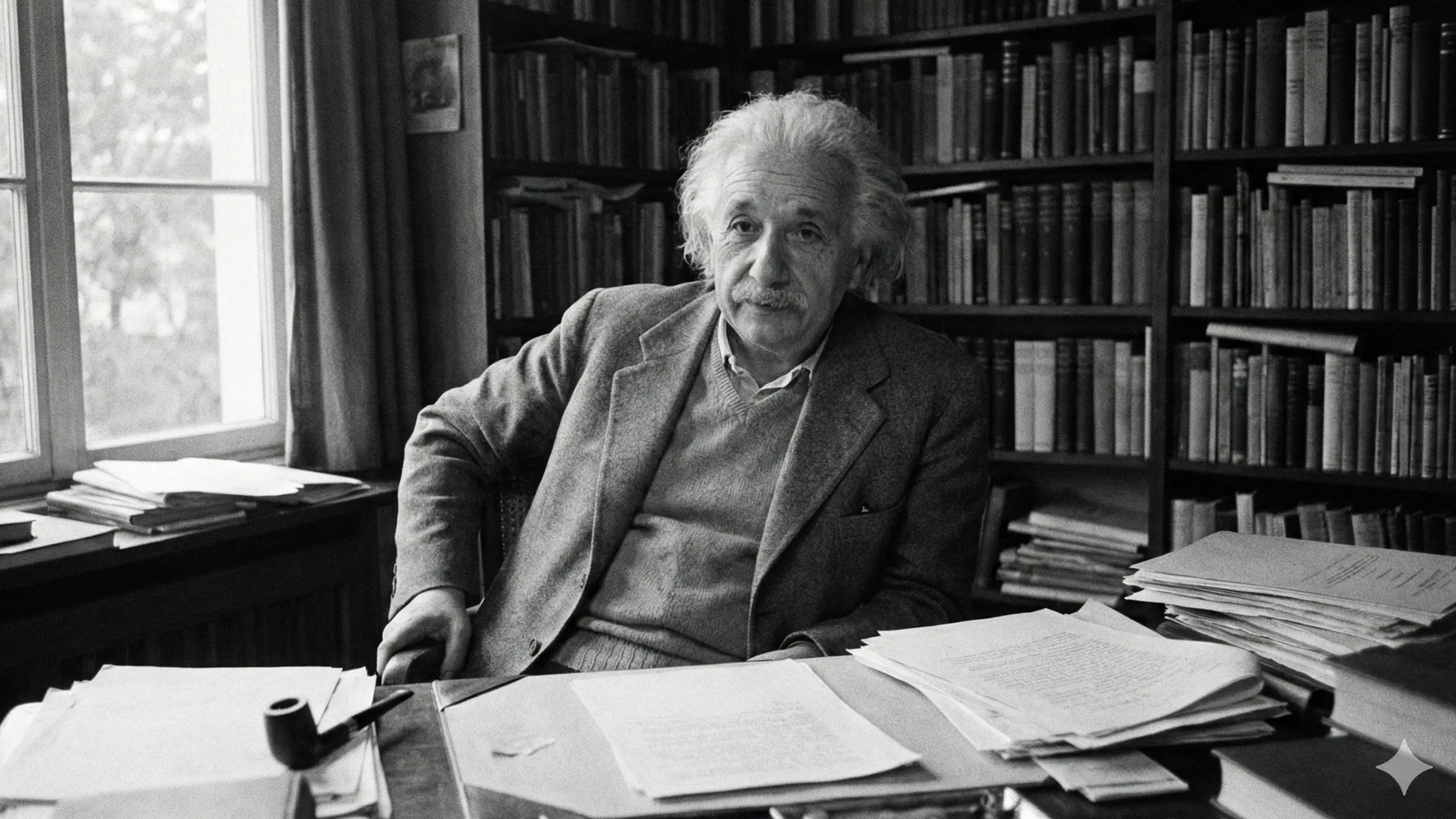
Albert Einstein portrait

The lineages

3 articles

What is a research lineage?

A research lineage is the documented chain of influence that runs from a foundational paper to the work it makes possible. Instead of treating a discovery as a fixed moment in history, we follow the citations forward: who built on it, what they proved, and how that reshaped the science and technology that came after.

Each MapleScholar article maps one such chain end to end — direct descendants that reformulate, measure, or apply the original result, and indirect descendants reached through an intermediary. Every modern link carries a verified DOI; historical works that predate DOIs are cited by their strongest archival identifier.

The point is not nostalgia. These lineages are alive: they steer spacecraft, define the kilogram, secure communications, and decode gravitational waves in 2026 — and you can read the original paper and question it directly inside MapleScholar.

Read the paper. Then ask it anything.

Open any original work in MapleScholar and chat with it — get a mechanism-level explanation, trace a branch of the lineage, or translate a passage, grounded in the source text itself.