Traditional mass spectrometry used harsh electron beams that shattered delicate biological proteins into unrecognizable debris; John Fenn used an electrified mist to gently levitate giant biomolecules intact into the vacuum chamber. By generating multiply charged ions from liquid droplets, Electrospray Ionization enabled precision mass spectrometry of entire intact proteins and founded modern proteomics.
For decades, analytical chemistry had perfected scales to weigh small chemical molecules with single-atom precision, but the giant protein machines that drive human health and disease remained completely unmeasurable. Blasting proteins with high heat or electron beams shredded them into useless microscopic dust.
John Fenn achieved what he called "giving wings to molecular elephants." By spraying a liquid solution of proteins from an electrified needle, the charged droplets evaporate gently, leaving massive intact proteins floating in a vacuum chamber without a single broken molecular bond.
Electrospray mass spectrometry became the bedrock of modern biopharmaceuticals and cancer proteomics. By identifying disease biomarkers from a single drop of blood, by ensuring the purity of monoclonal antibody therapies, and by mapping the complete human proteome, soft ionization mass spectrometry transformed clinical science.
Electrospray Ionization for Mass Spectrometry of Large Biomolecules
Electrospray ionization has recently emerged as a powerful technique for producing intact ions in vacuo from large and complex species in solution. To an extent greater than has previously been possible with the more familiar "soft" ionization methods, this technique makes the power and elegance of mass spectrometric analysis applicable to the large and fragile polar molecules that play such vital roles in biological systems. The distinguishing features of electrospray spectra for large molecules are coherent sequences of peaks whose component ions are multiply charged, the ions of each peak differing by one charge from those of adjacent neighbors in the sequence. Spectra have been obtained for biopolymers including oligonucleotides and proteins, the latter having molecular weights up to 130,000, with as yet no evidence of an upper limit.

Silicon solar panels require expensive, energy-intensive cleanrooms and high-temperature furnaces; hybrid organic-inorganic perovskites absorb light across the entire solar spectrum and can be printed like ink. Published in 1978 as a basic crystallographic record, Dieter Weber’s hybrid crystal is now the fastest-advancing solar technology in history.

Layered cobalt cathodes suffer from severe supply-chain bottlenecks and thermal instability; spinel manganese dioxide provides a three-dimensional cubic lattice that shuttles lithium ions safely without cobalt. Discovered as a novel synthetic method in 1981, Hunter’s spinel crystal is now the ethical foundation of low-cost electric vehicle and grid batteries.


Telecommunication engineers believed that static noise permanently corrupted electrical signals; Claude Shannon proved that information can be transmitted with zero errors across noisy channels by converting meaning into binary bits. Published in 1948, Shannon’s masterwork founded information theory and created the digital language of the modern world.
Mechanical scotch-tape peeling produces only microscopic flakes of pristine graphene; William Hummers’ 1958 chemical recipe exfoliates bulk graphite into tons of water-dispersible two-dimensional sheets. Dormant for nearly half a century, "Hummers' Method" is now the indispensable global manufacturing route for 2D water-purification membranes and conductive composites.
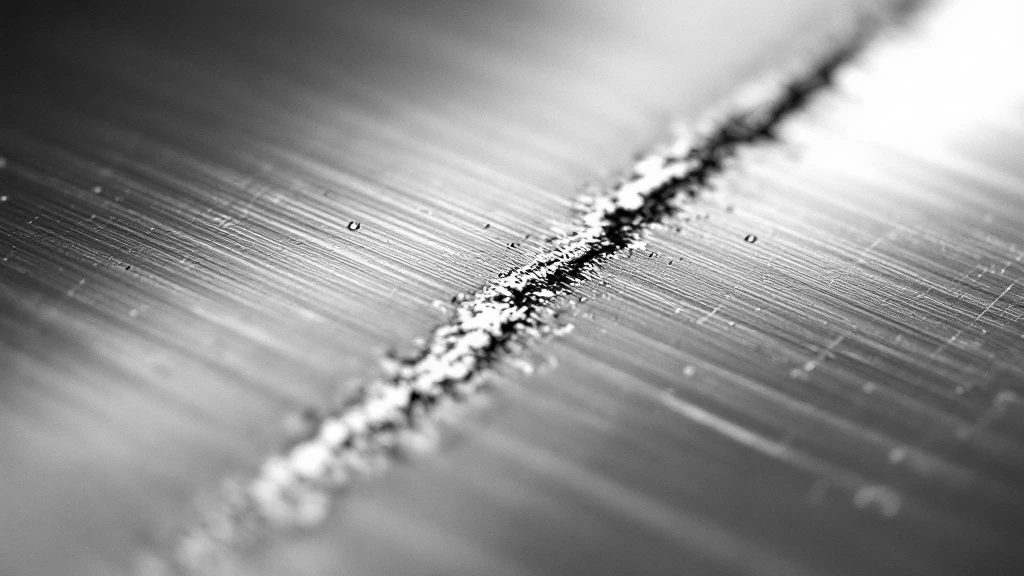

Theoretical physics predicted that glass and steel should withstand millions of pounds of pressure; Alan Arnold Griffith proved that microscopic surface scratches focus mechanical stress into catastrophic fractures. Published in 1921, Griffith’s energy balance theorem founded the discipline of fracture mechanics, explaining why Liberty Ships snapped in half during World War II and teaching modern engineers how to build shatter-proof materials.
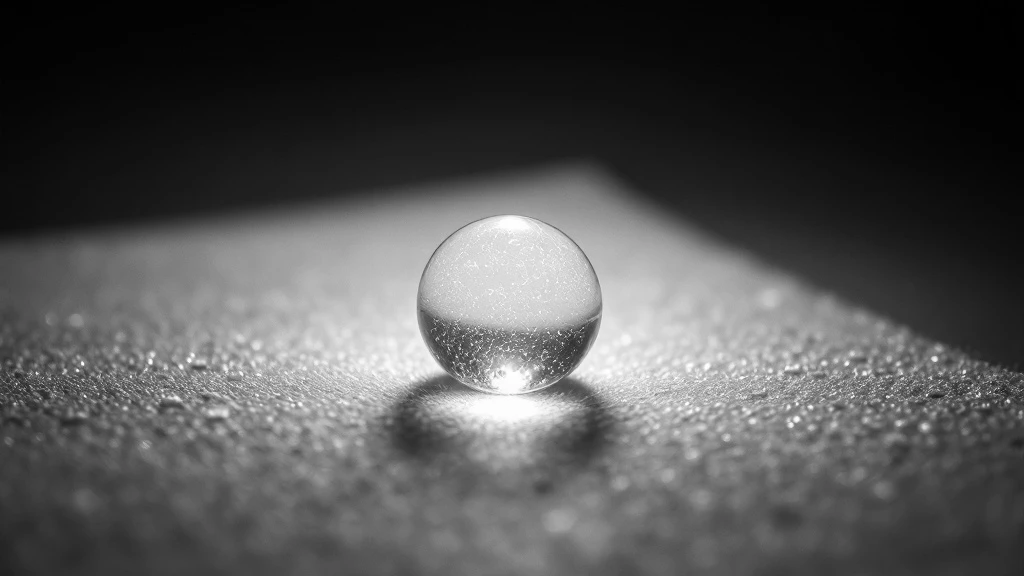
Building peptides in liquid solution required painstaking, months-long crystallization after every single amino acid addition; Bruce Merrifield anchored growing peptide chains to insoluble plastic beads, allowing unreacted chemicals to be washed away in seconds. This ingenious solid-phase paradigm automated the chemical assembly of proteins and laid the foundation for modern peptide therapeutics like GLP-1 weight-loss drugs.
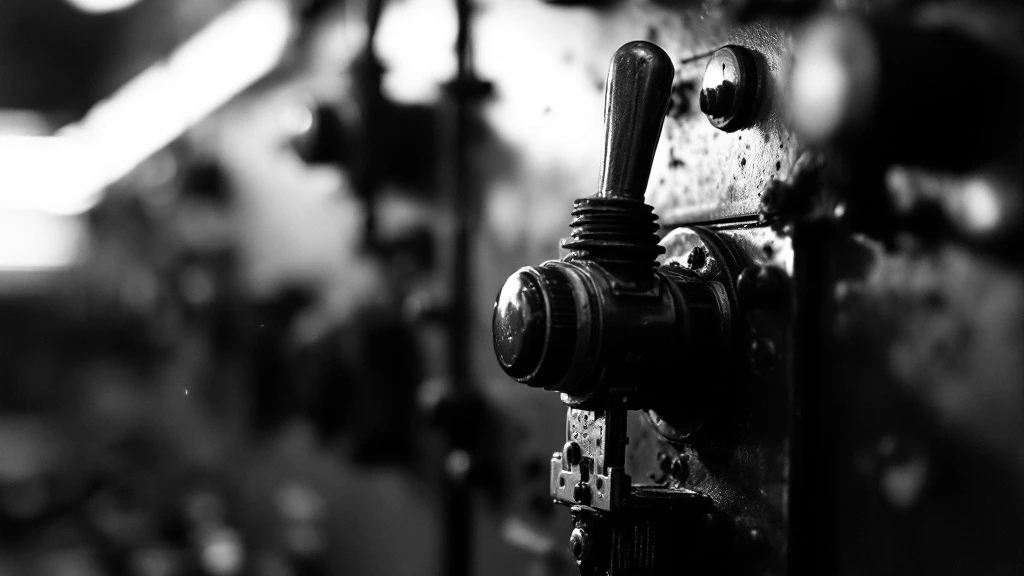
Standard automated flight and robotic controllers crash when unexpected external winds alter machine parameters; sliding mode control clamps the system’s behavior onto an unshakeable mathematical guardrail that ignores external disturbances. Developed in the Soviet Union and translated in 1977 by Vadim Utkin, this robust control architecture is the mathematical backbone steering rocket thrusters, robot arms, and industrial electric motors worldwide.
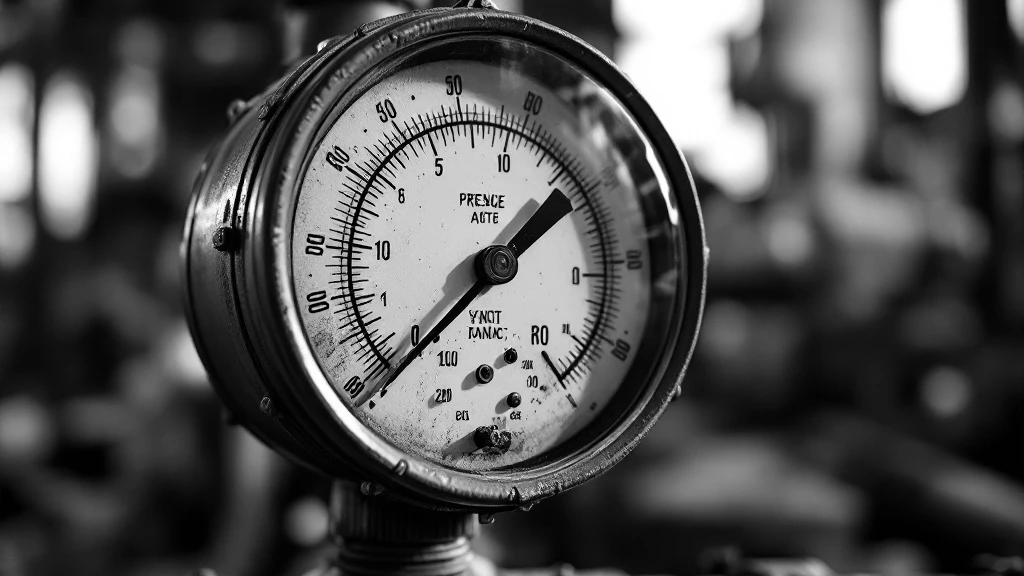

Factory engineers once tuned automatic industrial valves through stressful trial-and-error that frequently blew out boilers and ruined chemical batches; John Ziegler and Nathaniel Nichols created simple mathematical formulas to tune PID controllers for optimal stability. Published in 1942, the Ziegler-Nichols tuning rules established the operational foundation for modern industrial automation, controlling over ninety percent of all automated factory loops, chemical plants, and thermostats in the world.
Ask this paper your own questions, or keep browsing the verified research catalogue.