Solid-state lithium batteries suffered from severe interfacial side reactions and slow ion diffusion across electrode boundaries; engineering synergistic protective interlayers achieves high room-temperature ionic conductivity while halting dendrite growth.
Next-generation energy storage depends on replacing flammable liquid battery electrolytes with solid ceramic or polymer ion conductors, promising double the range for electric vehicles and zero fire hazards.
However, solid electrolytes face a severe chemical dilemma: materials with high ionic conductivity are chemically reduced by reactive metallic lithium anodes, forming resistive passivation layers that degrade battery cycling.
This materials engineering breakthrough designs an in-situ formed synergistic nanocomposite interlayer that simultaneously provides high ionic conductivity and chemical stability against metallic lithium, suppressing interfacial impedance growth and enabling stable high-current cycling.
Achieving stable solid-solid interfaces at room temperature marks a pivotal milestone toward the commercial mass production of fast-charging, non-flammable solid-state electric vehicle batteries.
Synergistic Interface Stability and High Room-Temperature Ionic Conductivity for Wide-Temperature All-Solid-State Batteries Based on Li6+xSixSb1-xS5I Electrolytes
Solid-state lithium-ion batteries (LIBs) are increasingly recognized for their exceptional energy density and safety. However, their widespread adoption is challenged by persistent issues such as thermal and electrochemical instability, dendrite formation, and limited compatibility with high-voltage cathodes. Sulfide-based solid electrolytes (SEs), particularly iodide argyrodites, offer outstanding ionic conductivity and stability; however, their practical application is constrained by the formation of space-charge layers, slow ion transport, and susceptibility to dendrite penetration. To address these challenges, we synthesized a novel Li6.6Si0.6Sb0.4S5I argyrodite electrolyte via ball milling and heat treatment, achieving a remarkable room-temperature ionic conductivity of 9.9 mS cm^-1. The electrolyte was integrated with a LiNbO3-coated LiNi0.7Co0.1Mn0.2O2 cathode to form an all-solid-state battery, which demonstrated an initial discharge capacity of 171.2 mAh g^-1, retained 84.2% of its capacity after 200 cycles at 0.5C, and maintained stable cycling across a broad temperature range from -20 degrees C to 60 degrees C. Our study shows that tailored electrolyte composition and a composite cathode configuration significantly enhance cycling stability and improve interfacial protection. These findings highlight the potential of Si-doped antimony-type iodide argyrodites for next-generation high-performance all-solid-state batteries, offering durable operation under diverse thermal conditions.


Mechanical scotch-tape peeling produces only microscopic flakes of pristine graphene; William Hummers’ 1958 chemical recipe exfoliates bulk graphite into tons of water-dispersible two-dimensional sheets. Dormant for nearly half a century, "Hummers' Method" is now the indispensable global manufacturing route for 2D water-purification membranes and conductive composites.

Theoretical physics predicted that glass and steel should withstand millions of pounds of pressure; Alan Arnold Griffith proved that microscopic surface scratches focus mechanical stress into catastrophic fractures. Published in 1921, Griffith’s energy balance theorem founded the discipline of fracture mechanics, explaining why Liberty Ships snapped in half during World War II and teaching modern engineers how to build shatter-proof materials.

Silicon solar panels require expensive, energy-intensive cleanrooms and high-temperature furnaces; hybrid organic-inorganic perovskites absorb light across the entire solar spectrum and can be printed like ink. Published in 1978 as a basic crystallographic record, Dieter Weber’s hybrid crystal is now the fastest-advancing solar technology in history.

Solid ceramic batteries were engineered to physically block explosive metal spikes; microscopic electrical charges at crystal grain boundaries inadvertently guide lithium needles straight through the solid electrolyte. By uncovering this hidden electronic short-circuit mechanism, MIT materials engineers solved the central roadblock stalling commercial solid-state electric vehicle batteries.


Traditional copper wires choke with electrical resistance when shrunk down to nanoscale dimensions; exotic topological semimetal nanowires grow more conductive as they get smaller. By exploiting topologically protected quantum surface states in niobium arsenide, semiconductor engineers have shattered the interconnect wall threatening the future of microchip miniaturization.
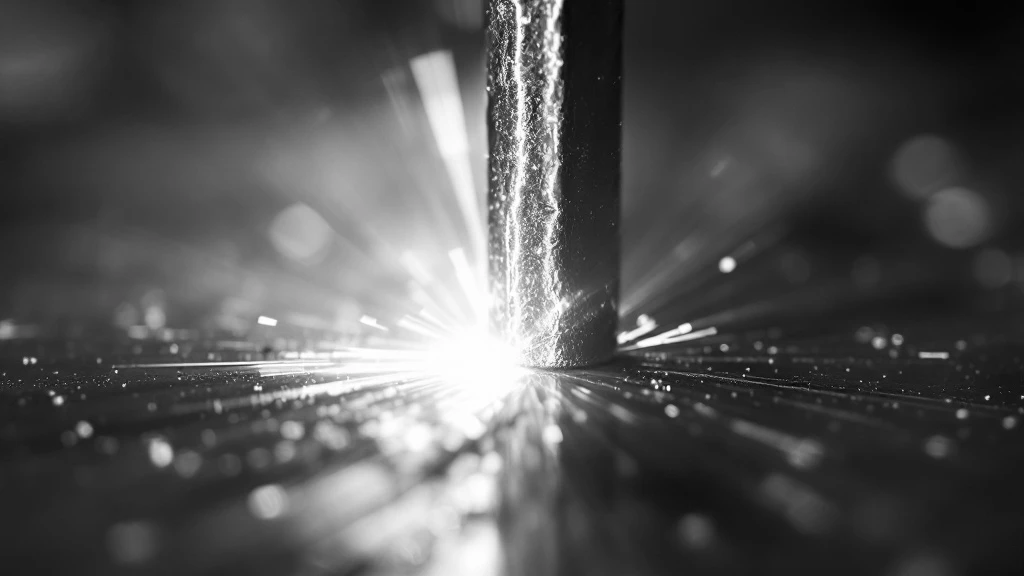

For decades, materials scientists faced an impossible compromise: make a metal incredibly strong, and it shatters like glass; make it flexible, and it loses its strength. By injecting a microscopic, flexible "glue" between the crystals of a super-alloy, researchers have finally broken the rule, creating a material ten times stronger than steel that bends without breaking.
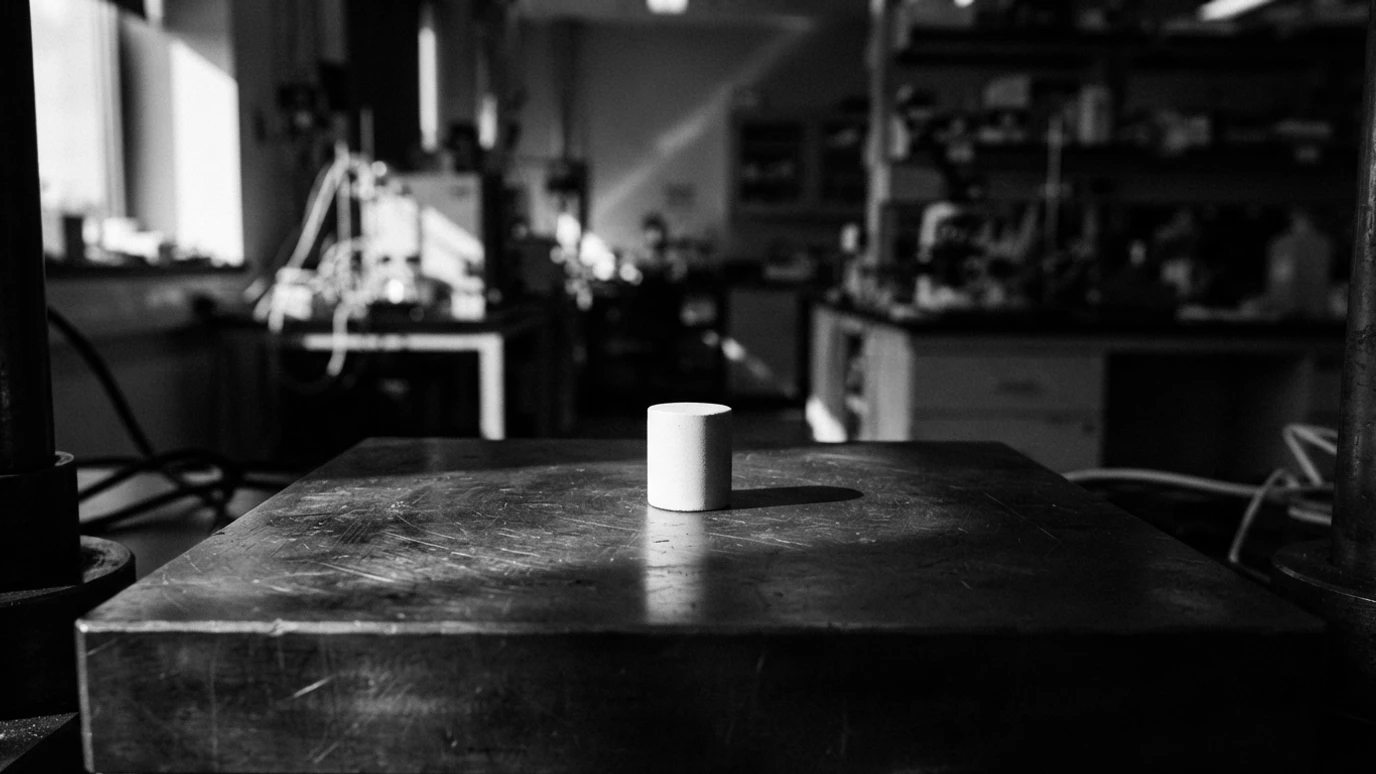
Solid-state lithium batteries promised double the energy density of liquid cells but suffered from high interfacial resistance and ceramic grain boundary cracking; sintering additives enable dense, low-temperature ceramic electrolyte fabrication.
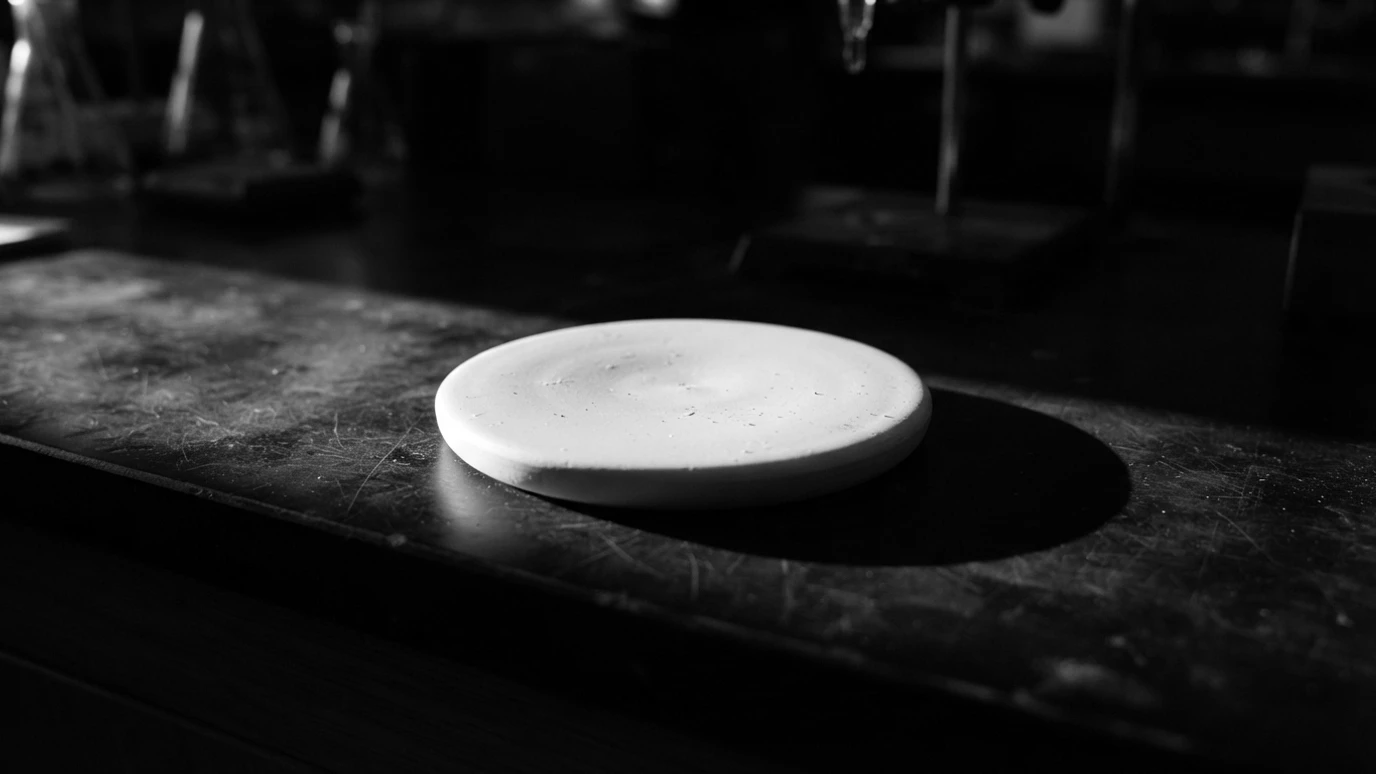
All-solid-state sodium batteries promised low-cost grid energy storage but suffered from catastrophic short circuits caused by hidden metal dendrites; multi-physics phase-field modeling uncovers how mechanical grain boundaries channel dendrite penetration.
Ask this paper your own questions, or keep browsing the verified research catalogue.