Chat
ChatEnvironmental monitoring produced massive multi-variable water and soil contamination datasets that obscured causal pollution pathways; parametric and non-parametric correlation modeling identifies the statistical fingerprints of industrial pollutants.
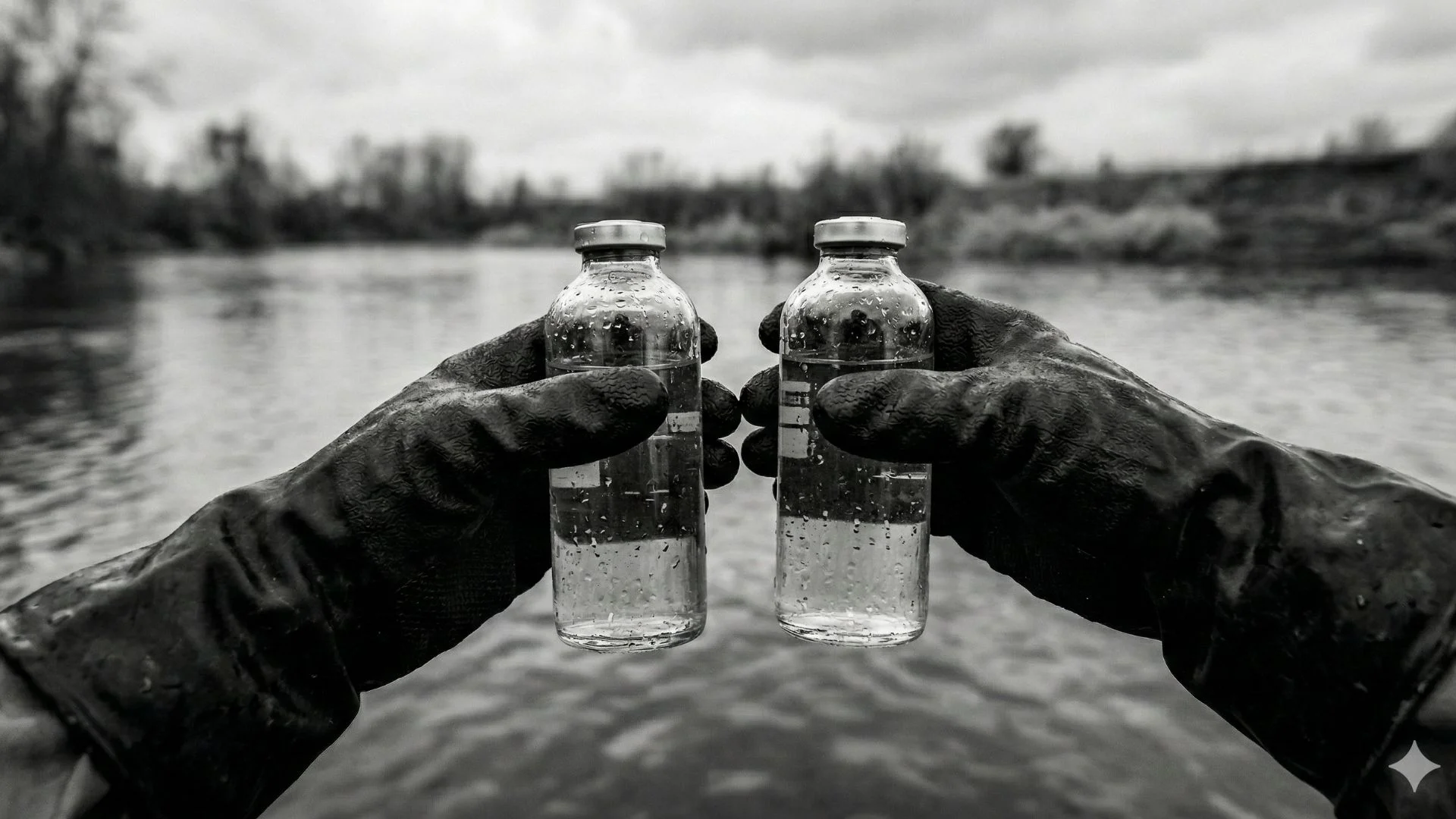
Industrialization, agricultural runoff, and urban expansion release complex cocktails of heavy metals, microplastics, and chemical nutrients into regional rivers, lakes, and soils.
Environmental scientists face a daunting diagnostic puzzle: analyzing dozens of fluctuating water parameters (pH, dissolved oxygen, nitrates, turbidity) to isolate the specific sources of ecological degradation.
This study applies Pearson and Spearman correlation coefficients alongside principal component modeling to analyze multivariate environmental contamination datasets. The statistical framework detects subtle non-linear dependencies between industrial discharge points and downstream water quality indicators.
Providing clear statistical guidelines for environmental correlation enables environmental protection agencies to pinpoint pollution hotspots rapidly and enforce targeted remediation policies to safeguard public watersheds.
Applications of Correlation Analysis in Environmental Problems
Objective: The aim of this work is to show the application of the Correlation Coefficient (Pearson, Spearman) to environmental problems. Theoretical framework: Although the concepts of correlation and regression are intimately related, they are nevertheless different. Correlation may be described as the degree of association between two variables, whereas regression expresses the form of the relationship between specified values of one (the independent, exogenous, explanatory, regressor, carrier or predictor) variable and the means of all corresponding values of the second (the dependent, outcome, response variable, the variable being explained) variable (Asuero et al., 2006). Method: Data was taken from 2 case studies in the environmental area and both were analyzed, the first with Pearson's Correlation Coefficient and the second with Spearman's Correlation Coefficient. Results and conclusion: It was determined that the samples had high Pearson's Correlation Coefficient values in both cases, which showed a very high correlation in both cases. The use of both types of Correlation Coefficient proved satisfactory in both cases. Implications of the research: The use cases of the Correlation Coefficient in the environmental area are multiplying in the scientific literature and are proving to be highly effective in showing the correlation between environmental variables. Originality/value: Despite being a well-known statistical tool, the Correlation Coefficient is widely used and can bring innovations in its application in cases of environmental variables.


Standard chemical synthesis produced equal mixtures of left-handed and right-handed molecular twins, where one enantiomer healed while the mirror image caused severe side effects; Sharpless epoxidation selectively synthesizes pure, single-handed chiral molecules using catalytic titanium complexes. This monumental catalytic breakthrough unlocked the safe, industrial manufacturing of single-enantiomer pharmaceuticals.


Climate skeptics long argued that global warming patterns fell within historical planetary noise; comprehensive physical observations confirm that anthropogenic greenhouse gases are warming the biosphere at rates unprecedented in two millennia. By unifying ice-core records, satellite telemetry, and advanced thermodynamic simulations, the latest physical science synthesis delivers an irrefutable diagnosis of planetary heat accumulation.
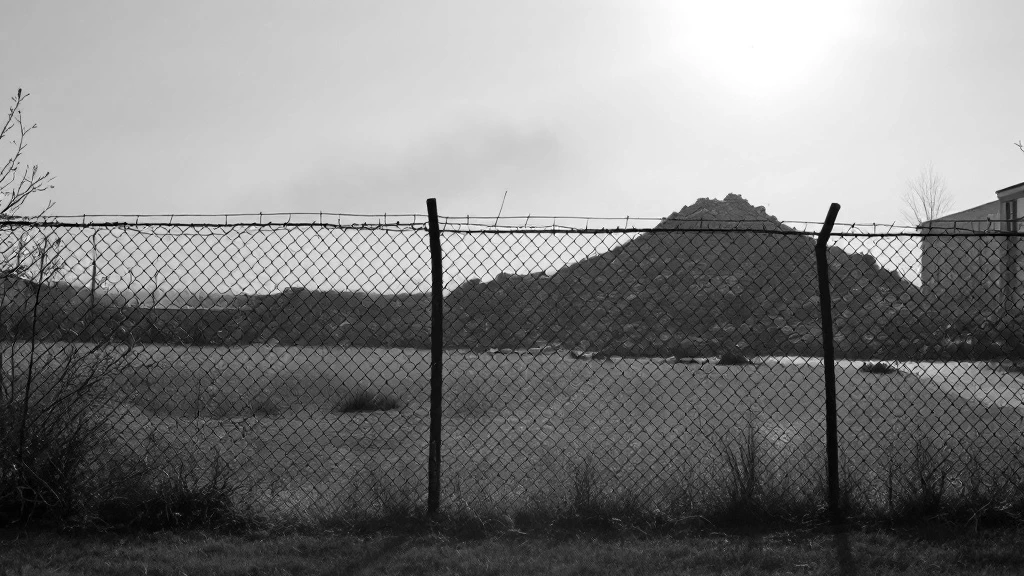

City planners claimed that toxic garbage landfills were placed in low-income neighborhoods purely by accident based on cheap land prices; Robert Bullard proved that Houston intentionally dumped 100% of its municipal trash dumps into Black neighborhoods. Published in 1983, Bullard’s historic study founded the Environmental Justice movement, establishing that clean air, clean water, and toxic waste zoning are fundamental civil rights issues.

Standard charcoal filters let small forever-chemical molecules slip straight through into drinking tap water; nonfluorinated sugar-based polymers trap both short and long chemical pollutants in seconds. By pairing microscopic cyclodextrin cups with electrostatic charges, environmental engineers created reusable filtration filters that cleanse contaminated municipal water at record speeds.

Individuals carrying high genetic risk for type 2 diabetes faced an apparently predetermined metabolic fate; epidemiological big data reveals that living in neighborhoods with high residential greenness significantly blunts genetic diabetes risk.


Early nucleotide analysis relied on slow radioactive degradation techniques that could only decipher a dozen genetic letters per year; Fred Sanger designed chemical "terminator" nucleotides that freeze DNA replication at precise atomic coordinates. By sorting the resulting fragments by length on a gel, Sanger sequencing allowed scientists to read the exact chemical sequence of entire genomes.


People assumed that close friends and family members were the most important allies for finding a new job and getting ahead in life; Mark Granovetter proved that casual acquaintances you barely talk to are the single most valuable source of new career opportunities and fresh ideas. Published in 1973, "The Strength of Weak Ties" is one of the most influential sociology papers in history, providing the network blueprint that built LinkedIn and modern professional networking.


Adam Smith taught that individuals acting in pure rational self-interest would automatically enrich society; Garrett Hardin proved that when everyone acts in their own self-interest on shared public land, they inevitably destroy the shared resource for everyone. Published in Science in 1968, "The Tragedy of the Commons" became the defining environmental manifesto of the modern era, guiding global ocean fisheries quotas, clean air regulations, and international climate agreements.
Ask this paper your own questions, or keep browsing the verified research catalogue.