Standard chemical synthesis produced equal mixtures of left-handed and right-handed molecular twins, where one enantiomer healed while the mirror image caused severe side effects; Sharpless epoxidation selectively synthesizes pure, single-handed chiral molecules using catalytic titanium complexes. This monumental catalytic breakthrough unlocked the safe, industrial manufacturing of single-enantiomer pharmaceuticals.
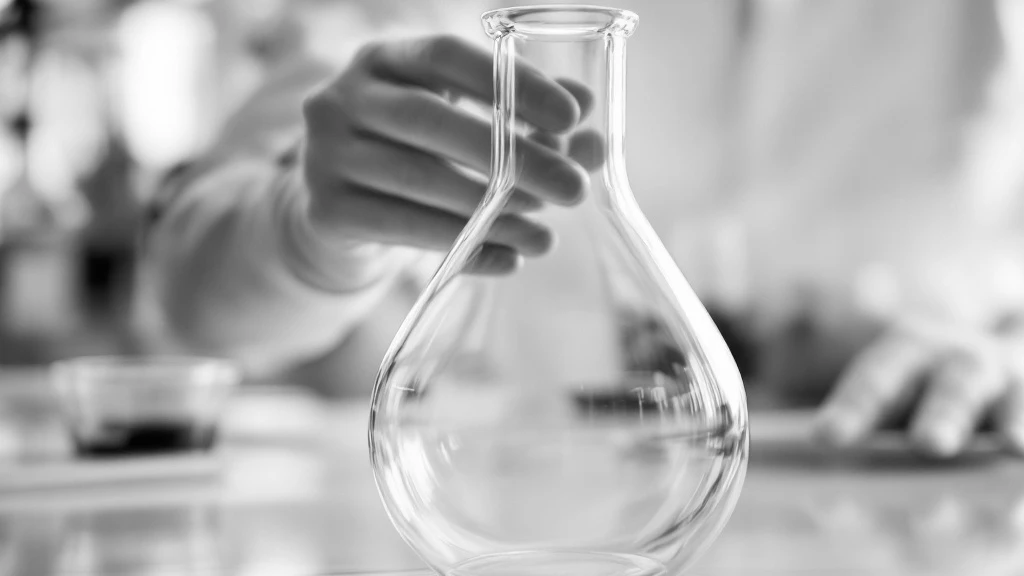
Following the mid-century thalidomide disaster, where a left-handed drug cured morning sickness while its right-handed twin caused catastrophic birth defects, chemistry faced an urgent moral challenge. Chemical synthesis naturally created 50:50 mixtures of both mirror twins, and separating them in factories was brutally inefficient.
Barry Sharpless and Tsutomu Katsuki created a catalytic template that functions like a left-handed baseball glove. By binding titanium to natural wine tartrate molecules, the catalyst only allows one face of a reacting chemical to receive an oxygen atom, delivering pure single-handed drugs with over ninety percent precision.
Asymmetric catalysis revolutionized global pharmaceutical manufacturing. By eliminating dangerous mirror-image drug side effects, by reducing chemical manufacturing waste, and by opening scalable routes to complex life-saving therapies, single-handed chemistry protects human health.
The first practical method for asymmetric epoxidation
ADVERTISEMENT RETURN TO ISSUEPREVArticleNEXTThe first practical method for asymmetric epoxidationTsutomu Katsuki and K. Barry SharplessCite this: J. Am. Chem. Soc. 1980, 102, 18, 5974–5976Publication Date (Print):August 1, 1980Publication History Published online1 May 2002Published inissue 1 August 1980https://pubs.acs.org/doi/10.1021/ja00538a077https://doi.org/10.1021/ja00538a077research-articleACS PublicationsRequest reuse permissionsArticle Views27024Altmetric-Citations2472LEARN ABOUT THESE METRICSArticle Views are the COUNTER-compliant sum of full text article downloads since November 2008 (both PDF and HTML) across all institutions and individuals. These metrics are regularly updated to reflect usage leading up to the last few days.Citations are the number of other articles citing this article, calculated by Crossref and updated daily. Find more information about Crossref citation counts.The Altmetric Attention Score is a quantitative measure of the attention that a research article has received online. Clicking on the donut icon will load a page at altmetric.com with additional details about the score and the social media presence for the given article. Find more information on the Altmetric Attention Score and how the score is calculated. Share Add toView InAdd Full Text with ReferenceAdd Description ExportRISCitationCitation and abstractCitation and referencesMore Options Share onFacebookTwitterWechatLinked InRedditEmail Other access optionsGet e-Alertsclose Get e-Alerts
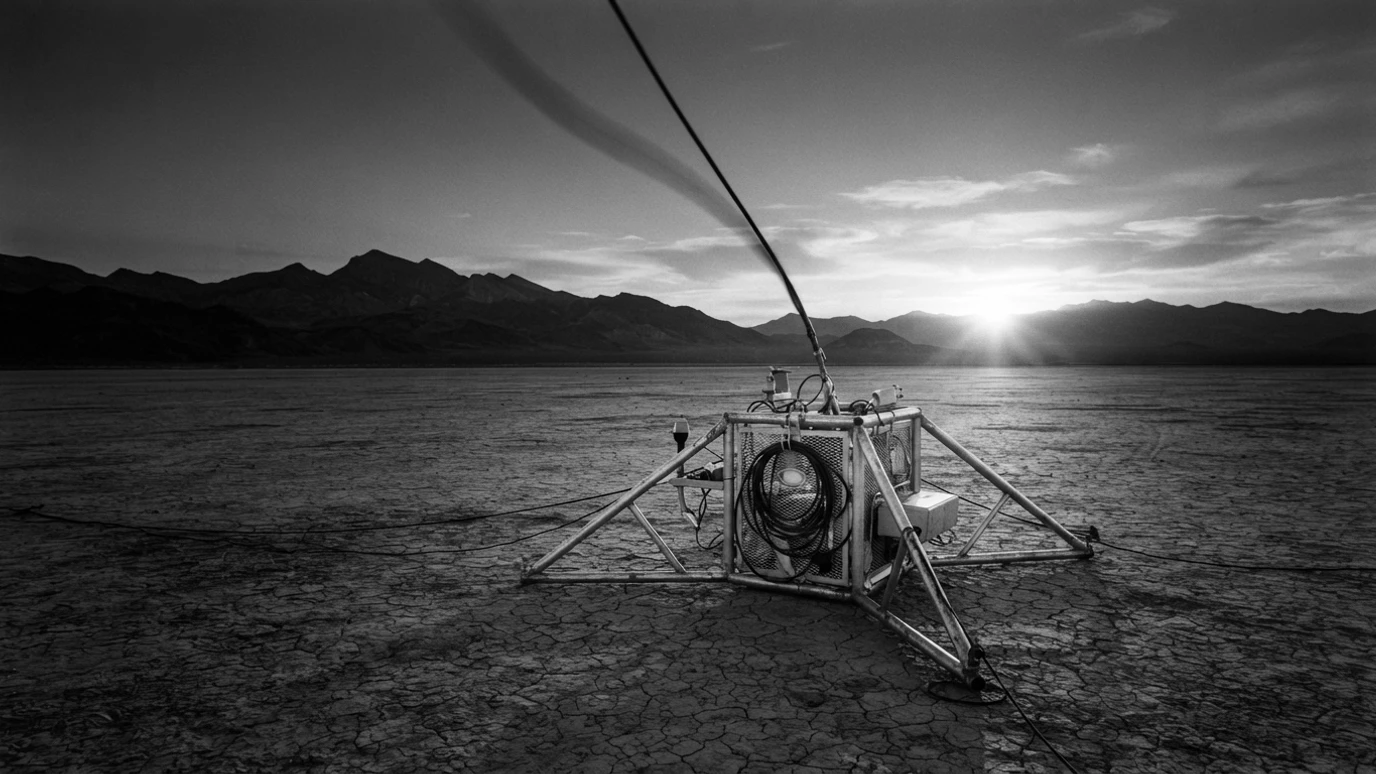

Climate skeptics long argued that global warming patterns fell within historical planetary noise; comprehensive physical observations confirm that anthropogenic greenhouse gases are warming the biosphere at rates unprecedented in two millennia. By unifying ice-core records, satellite telemetry, and advanced thermodynamic simulations, the latest physical science synthesis delivers an irrefutable diagnosis of planetary heat accumulation.


Environmental monitoring produced massive multi-variable water and soil contamination datasets that obscured causal pollution pathways; parametric and non-parametric correlation modeling identifies the statistical fingerprints of industrial pollutants.
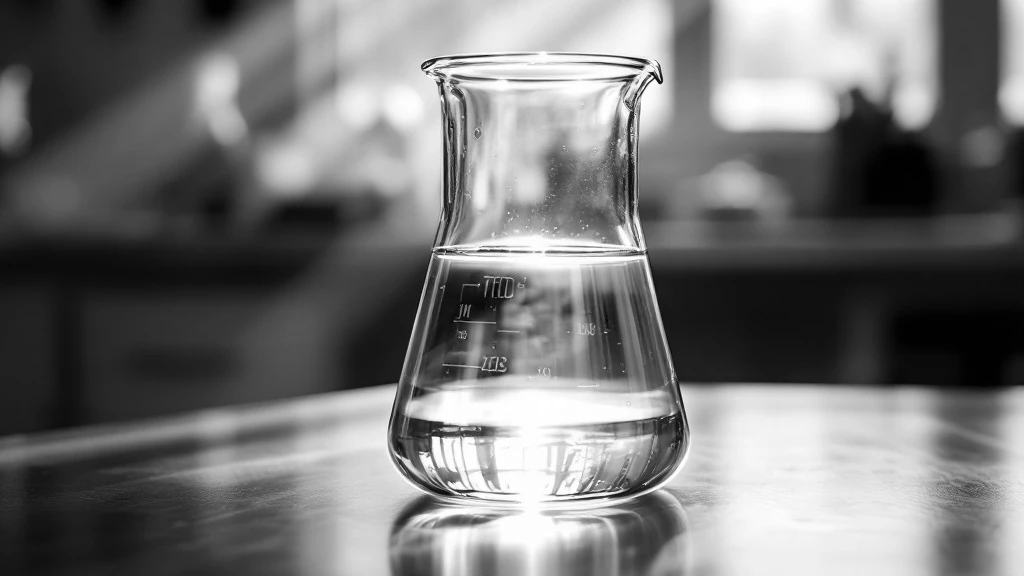

Standard charcoal filters let small forever-chemical molecules slip straight through into drinking tap water; nonfluorinated sugar-based polymers trap both short and long chemical pollutants in seconds. By pairing microscopic cyclodextrin cups with electrostatic charges, environmental engineers created reusable filtration filters that cleanse contaminated municipal water at record speeds.
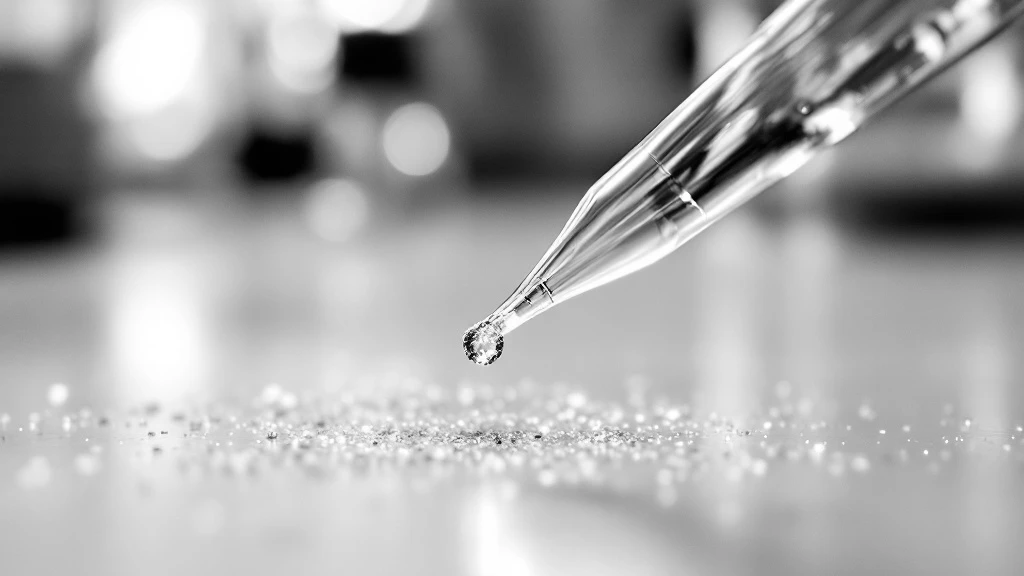

Early nucleotide analysis relied on slow radioactive degradation techniques that could only decipher a dozen genetic letters per year; Fred Sanger designed chemical "terminator" nucleotides that freeze DNA replication at precise atomic coordinates. By sorting the resulting fragments by length on a gel, Sanger sequencing allowed scientists to read the exact chemical sequence of entire genomes.


Building peptides in liquid solution required painstaking, months-long crystallization after every single amino acid addition; Bruce Merrifield anchored growing peptide chains to insoluble plastic beads, allowing unreacted chemicals to be washed away in seconds. This ingenious solid-phase paradigm automated the chemical assembly of proteins and laid the foundation for modern peptide therapeutics like GLP-1 weight-loss drugs.
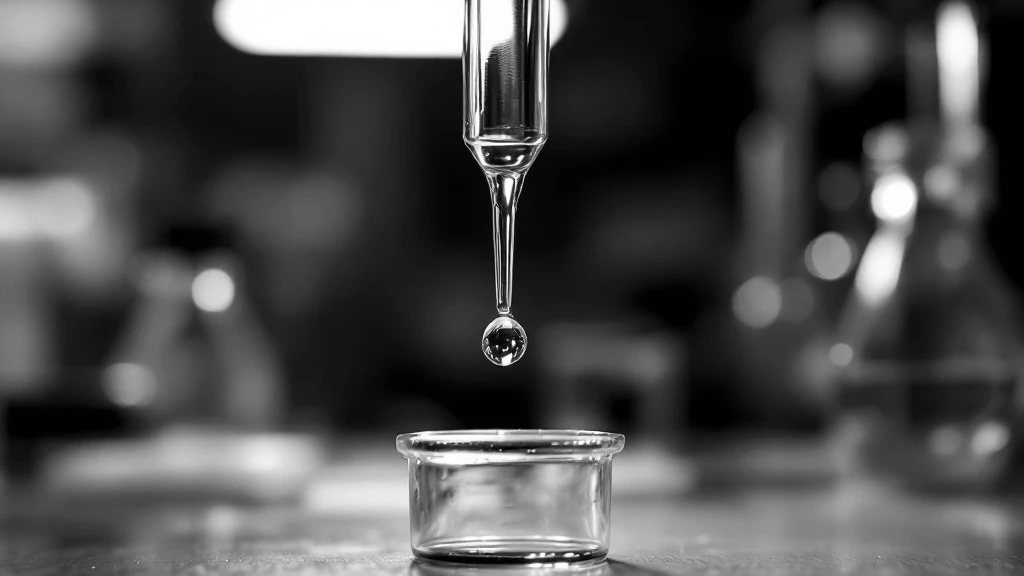

Traditional mass spectrometry used harsh electron beams that shattered delicate biological proteins into unrecognizable debris; John Fenn used an electrified mist to gently levitate giant biomolecules intact into the vacuum chamber. By generating multiply charged ions from liquid droplets, Electrospray Ionization enabled precision mass spectrometry of entire intact proteins and founded modern proteomics.


Simulating electronic structures of complex molecules historically stalled under crushing computational scaling bottlenecks; ORCA 5.0 unlocks multi-scale quantum chemistry through domain-based pair natural orbitals and ultra-fast linear-scaling solvers.

Atmospheric climate models struggled to quantify how trace gases dissolve into clouds and aerosol droplets; this comprehensive compendium of thousands of Henry's law solubility constants establishes the international standard for multi-phase atmospheric modeling.
Ask this paper your own questions, or keep browsing the verified research catalogue.