Chat
ChatUnderstanding why neutral atoms attract at a distance yet repel violently when pressed together baffled early physicists; John Lennard-Jones's 1924 mathematical formula gave science its universal model of non-bonded molecular interactions.
A century ago, physicists stood at the dawn of quantum mechanics, struggling to understand the microscopic forces that allow gases to condense into liquids and liquids to freeze into solids without forming chemical covalent bonds.
At long ranges, van der Waals dispersion pulls neutral atoms together, while at short ranges, Pauli repulsion violently prevents electrons from occupying the same space. Finding a simple, computationally tractable mathematical function to describe this interplay seemed impossible.
In 1924, John Lennard-Jones proposed the iconic 12-6 potential: attractive forces scale as , while repulsive forces scale as . For one hundred years, this remarkably durable equation has anchored molecular dynamics, fluid mechanics, and polymer simulations across chemistry and physics.
As modern quantum computing and ab initio simulations replace empirical formulas, the centenary of the Lennard-Jones potential highlights how simple, physically intuitive approximations can power a century of breakthrough molecular discoveries.
100 Years of the Lennard-Jones Potential
It is now 100 years since Lennard-Jones published his first paper introducing the now famous potential that bears his name. It is therefore timely to reflect on the many achievements, as well as the limitations, of this potential in the theory of atomic and molecular interactions, where applications range from descriptions of intermolecular forces to molecules, clusters, and condensed matter.

Building peptides in liquid solution required painstaking, months-long crystallization after every single amino acid addition; Bruce Merrifield anchored growing peptide chains to insoluble plastic beads, allowing unreacted chemicals to be washed away in seconds. This ingenious solid-phase paradigm automated the chemical assembly of proteins and laid the foundation for modern peptide therapeutics like GLP-1 weight-loss drugs.

Traditional mass spectrometry used harsh electron beams that shattered delicate biological proteins into unrecognizable debris; John Fenn used an electrified mist to gently levitate giant biomolecules intact into the vacuum chamber. By generating multiply charged ions from liquid droplets, Electrospray Ionization enabled precision mass spectrometry of entire intact proteins and founded modern proteomics.


Simulating electronic structures of complex molecules historically stalled under crushing computational scaling bottlenecks; ORCA 5.0 unlocks multi-scale quantum chemistry through domain-based pair natural orbitals and ultra-fast linear-scaling solvers.
Standard chemical synthesis produced equal mixtures of left-handed and right-handed molecular twins, where one enantiomer healed while the mirror image caused severe side effects; Sharpless epoxidation selectively synthesizes pure, single-handed chiral molecules using catalytic titanium complexes. This monumental catalytic breakthrough unlocked the safe, industrial manufacturing of single-enantiomer pharmaceuticals.
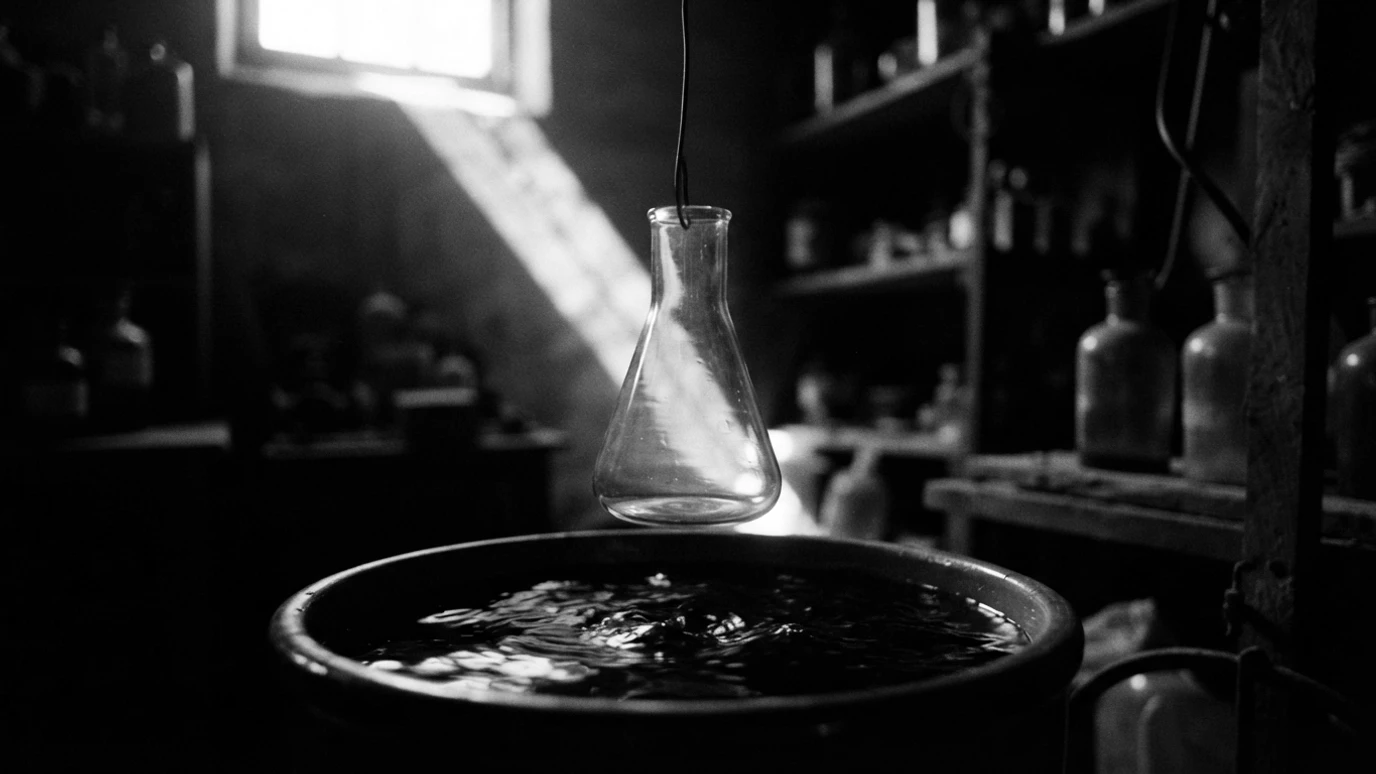

Atmospheric climate models struggled to quantify how trace gases dissolve into clouds and aerosol droplets; this comprehensive compendium of thousands of Henry's law solubility constants establishes the international standard for multi-phase atmospheric modeling.


Classical physics assumed physical interactions must obey local realism; quantum nonlocality proves entangled particles share correlations that shatter classical causal limits without signaling.
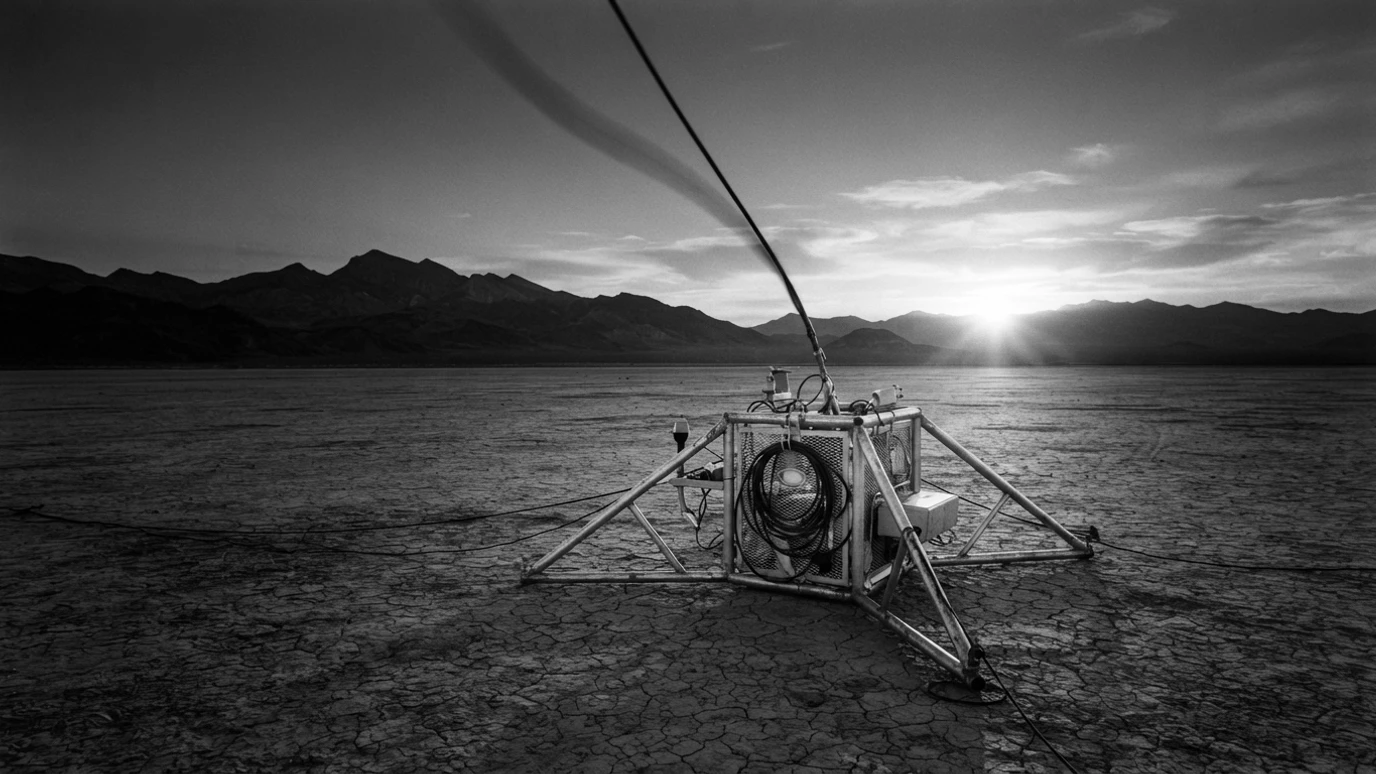

Climate skeptics long argued that global warming patterns fell within historical planetary noise; comprehensive physical observations confirm that anthropogenic greenhouse gases are warming the biosphere at rates unprecedented in two millennia. By unifying ice-core records, satellite telemetry, and advanced thermodynamic simulations, the latest physical science synthesis delivers an irrefutable diagnosis of planetary heat accumulation.
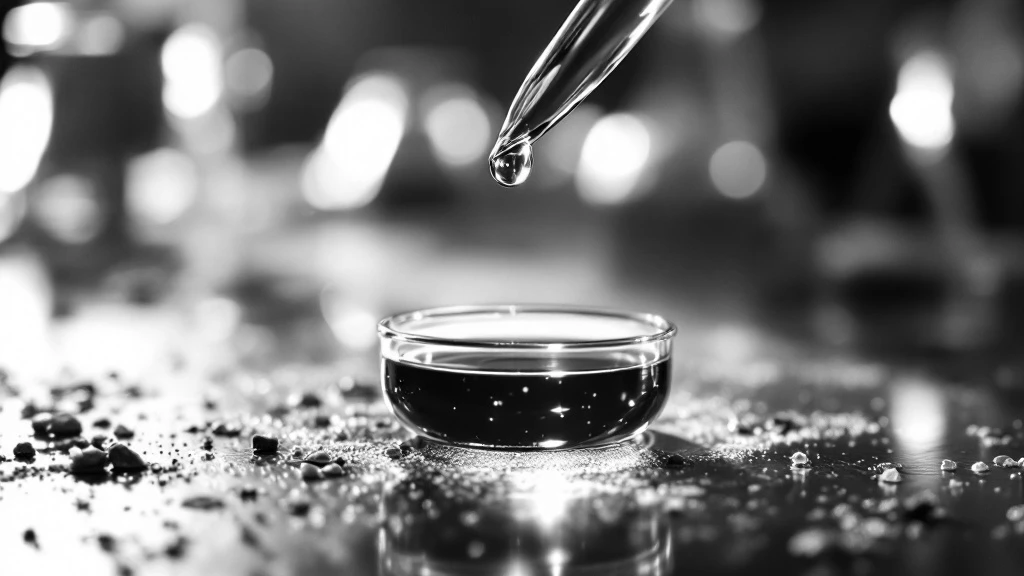
Early carbon-carbon double-bond metathesis catalysts were notoriously sensitive to moisture and air, catching fire upon the slightest atmospheric contact; Robert Grubbs engineered a stable ruthenium carbene catalyst that performs bond-swapping reactions smoothly on the open benchtop. This Nobel Prize-winning catalyst transformed green polymer manufacturing and pharmaceutical synthesis of Hepatitis C antiviral therapies.
Ask this paper your own questions, or keep browsing the verified research catalogue.