Standard carbon filtration only transfers toxic PFAS from groundwater into solid waste; anodic electrochemical oxidation tears the fluorocarbon spine apart at the electrode surface. Published in 2008 before federal drinking-water standards existed, this paper established the electrochemical blueprint for total forever-chemical destruction.
Long before governments established strict parts-per-trillion drinking water limits on toxic forever chemicals, environmental engineers lacked any non-thermal method to destroy fluorinated pollutants on-site. Traditional methods simply trapped the poison in charcoal filters, leaving a hazardous waste problem behind.
In 2008, Caltech chemists introduced an electrified diamond electrode that acts as an atomic guillotine. By running electricity through lab-grown synthetic diamond plates, the extreme electrical charge pulls electrons directly out of the chemical’s protective head-group, causing the entire fluorocarbon spine to unravel instantly.
This early electrochemical study is now the engineering blueprint for modern water treatment plants. By destroying concentrated chemicals directly on-site, by eliminating high-temperature incinerators, and by purifying contaminated municipal groundwater, diamond electrochemical reactors provide absolute water safety.
Oxidative Destruction of Perfluorooctane Sulfonate Using Boron-Doped Diamond Film Electrodes
This research investigated the oxidative destruction of perfluorooctane sulfonate at boron-doped diamond film electrodes. Experiments measuring oxidation rates of PFOS were performed over a range in current densities and temperatures using a rotating disk electrode (RDE) reactor and a parallel plate flow-through reactor. The oxidation of PFOS yielded sulfate, fluoride, carbon dioxide, and trace levels of trifluoroacetic acid. Reaction rates in the RDE reactor were zeroth order in PFOS concentration. Reaction rates in the flow-through reactor were mass-transfer-limited and were pseudo-first-order in PFOS concentration, with a half-life of 5.3 min at a current density of 20 mA/cm2. Eyring analysis of the zeroth order rate constants at a fixed electrode potential yielded an apparent activation energy of 4.2 kJ/mol for PFOS oxidation. Density functional theory (DFT) simulations were used to calculate activation barriers for different possible reaction mechanisms, including oxidation by hydroxyl radicals at different sites on the PFOS molecule, and direct electron transfer. A comparison of the experimentally measured apparent activation energy with those calculated using DFT indicated that the most likely rate-limiting step for PFOS oxidation was direct electron transfer.


Climate skeptics long argued that global warming patterns fell within historical planetary noise; comprehensive physical observations confirm that anthropogenic greenhouse gases are warming the biosphere at rates unprecedented in two millennia. By unifying ice-core records, satellite telemetry, and advanced thermodynamic simulations, the latest physical science synthesis delivers an irrefutable diagnosis of planetary heat accumulation.


Wildfire destruction is visible in burned forest canopies; the most insidious threat is the microscopic chemical ash that washes into city drinking reservoirs. By tracking molecular shifts in dissolved organic matter after major fires, environmental chemists have revealed how burnt carbon triggers toxic disinfection byproducts during chlorination.


Underwater heatwaves are wiping out global coral reefs and crashing commercial fisheries; spraying reflective mineral aerosols into the upper stratosphere acts as an atmospheric sunshade to cool ocean waters. By running high-resolution climate simulations across tropical oceans, geoengineers proved that targeted solar radiation management could reduce the severity of destructive ocean heatwaves by over half.

Early nucleotide analysis relied on slow radioactive degradation techniques that could only decipher a dozen genetic letters per year; Fred Sanger designed chemical "terminator" nucleotides that freeze DNA replication at precise atomic coordinates. By sorting the resulting fragments by length on a gel, Sanger sequencing allowed scientists to read the exact chemical sequence of entire genomes.
Standard chemical synthesis produced equal mixtures of left-handed and right-handed molecular twins, where one enantiomer healed while the mirror image caused severe side effects; Sharpless epoxidation selectively synthesizes pure, single-handed chiral molecules using catalytic titanium complexes. This monumental catalytic breakthrough unlocked the safe, industrial manufacturing of single-enantiomer pharmaceuticals.

Atmospheric climate models struggled to quantify how trace gases dissolve into clouds and aerosol droplets; this comprehensive compendium of thousands of Henry's law solubility constants establishes the international standard for multi-phase atmospheric modeling.
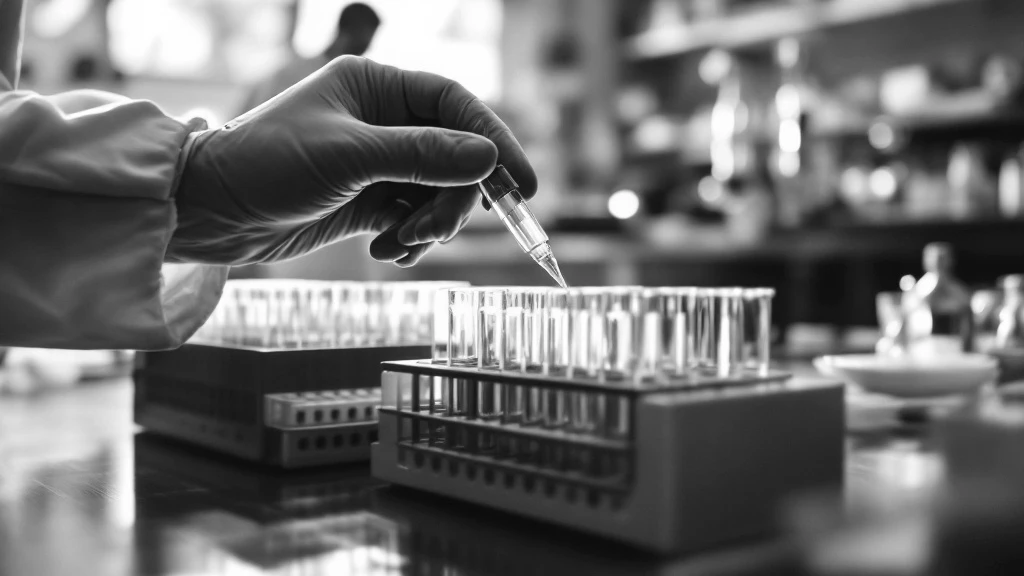

Mysterious repeating DNA sequences in bacteria were dismissed for decades as useless junk DNA; Francisco Mojica discovered that bacteria store stolen snippets of viral DNA like a "Most Wanted" gallery to recognize and destroy invading viruses. Published in 2005 after being rejected by four leading journals, Mojica’s paper unlocked the biological secret of CRISPR, unleashing the greatest gene-editing revolution in human history.
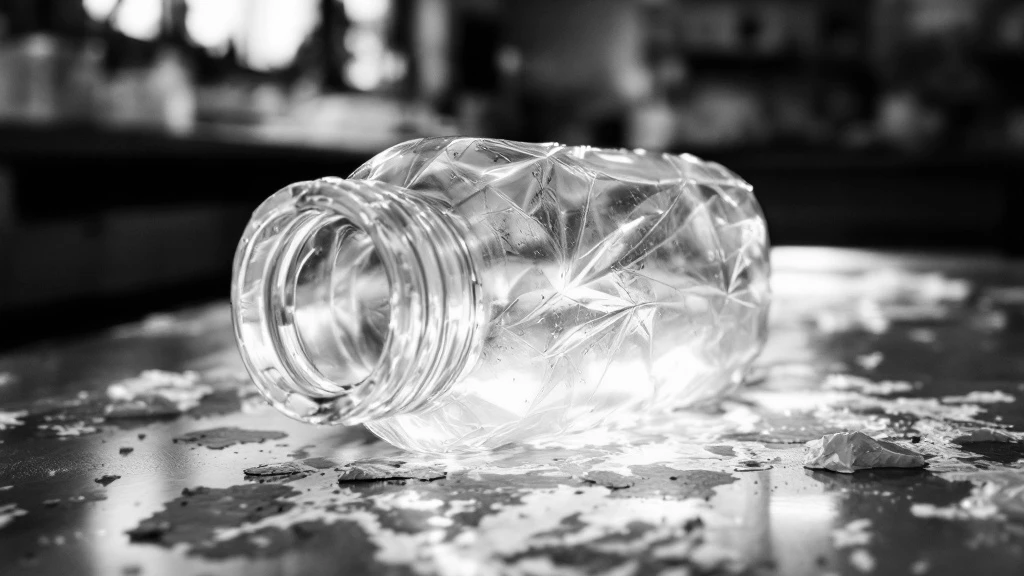

Thermal melting degrades recycled plastics into brittle, low-value textiles; bacterial cutinases disassemble rigid synthetic polymers back into pure, virgin-grade chemical building blocks. Initially overlooked as a slow academic oddity in 2005, this enzymatic breakdown process now powers commercial bio-recycling plants that digest plastic waste in hours.
Ask this paper your own questions, or keep browsing the verified research catalogue.